LIVING
Home office / Your home
Topics
Renovating a Flat: How to Succeed With a Stylish Interior Design
If you want to renovate your flat, there are some crucial points to consider. It’s not just about painting walls or replacing the floor. Rather, well-thought-out planning and a harmonious interior design significantly influence the success of your project. In this article you will learn what to look out for in order to renovate your flat successfully and turn it into a true feel-good place with the right interior design.
1. Thorough survey – the first step to a successful flat renovation
Before you start the renovation, a comprehensive survey is necessary. What structural defects are there? Are the electrics, water pipes and insulation in good condition? These questions should be clarified in order to determine the exact renovation needs. At the same time, it is worth rethinking the current room layout. Is there potential for more functionality or a more open design? If you need support, we at Innenarchitektur Federleicht in Munich are happy to help.
2. Budget planning: essential for a successful renovation
Precise budget planning is the key to every successful flat renovation. In addition to the obvious costs such as materials and tradespeople, you should definitely plan a buffer for unexpected expenses. It is important to focus on quality – both in the renovation and in the interior design. This ensures that your new home is not only beautiful but also long-lasting.
3. High-quality materials for a sustainable renovation
The choice of materials is crucial when renovating your flat. Natural materials such as wood or stone not only contribute to a stylish look, but also promote a healthy indoor climate. Functionality and durability also play an important role in interior design. We at Federleicht are happy to help you select the optimal materials so that you can enjoy your redesigned home for a long time.
4. Legal regulations and permits – an often underestimated aspect
If you are planning structural changes such as removing walls or installing larger windows, you should find out about the required permits at an early stage. Ignoring these regulations can be expensive. A professional interior architecture studio like ours can help you ensure that all legal requirements are met.
5. Bring in experts: a must for renovation and interior design
Working with professionals is an essential factor in the success of your flat renovation. Skilled work such as renewing the electrics or laying floors should only be carried out by professionals. It is just as important to put the interior design in experienced hands. Our team at Innenarchitektur Federleicht supports you from planning to implementation to get the best out of every room.
6. Time management – stay realistic and renovate stress-free
A well-planned flat renovation takes time, and the same applies to the interior design. Create a realistic schedule and allow sufficient time for all work steps. This way you avoid unnecessary stress and can concentrate on enjoying the result.
7. Focus on sustainability and energy efficiency
A modern renovation offers the chance to make not only visual but also energy improvements. New windows, better insulation or an efficient heating system reduce your energy costs in the long term. Integrating sustainable materials and technologies makes your home not only more beautiful but also more environmentally friendly.
CONCLUSION: Good planning leads to a successful flat renovation
Whether it’s about modernising the building fabric or the right interior design – a flat renovation requires careful planning. By choosing the right materials and working with experienced professionals, you can increase living comfort and at the same time raise the value of your property. If you want to renovate and redesign your flat, we at Innenarchitektur Federleicht in Munich are ready to help you with our expertise.
If you want to renovate and redesign your flat, we at Innenarchitektur Federleicht in Munich are ready to help you with our expertise. Book your free initial consultation now – we advise you without obligation and show you how we can implement your project in the best possible way.
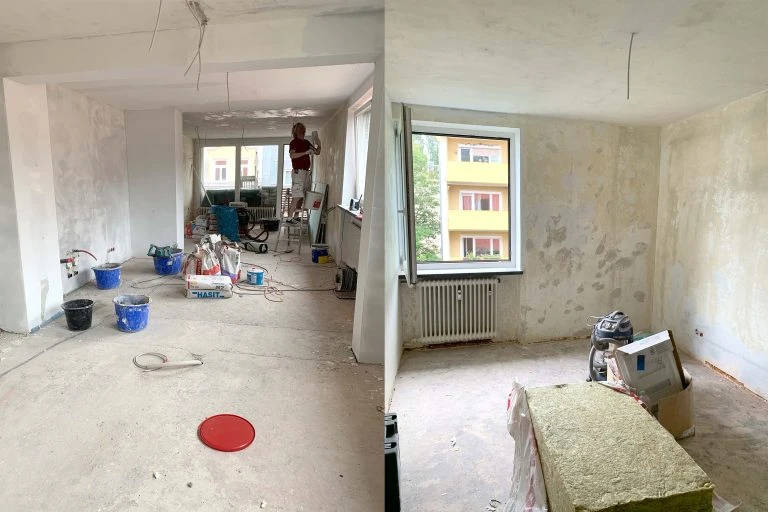
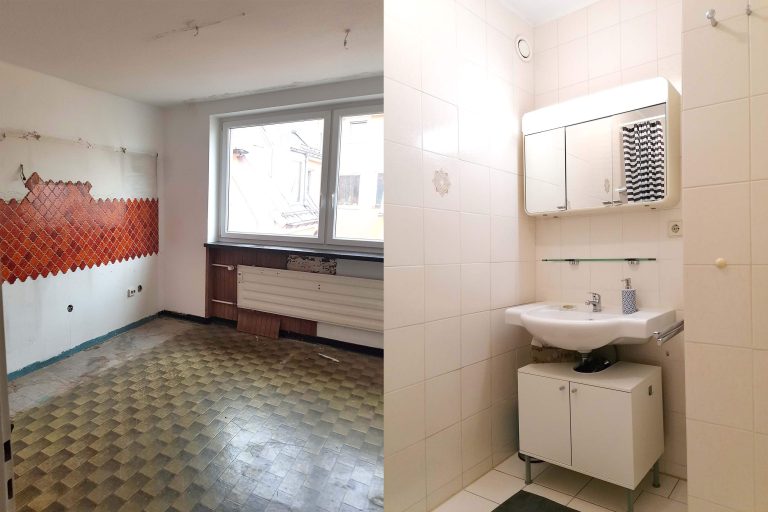
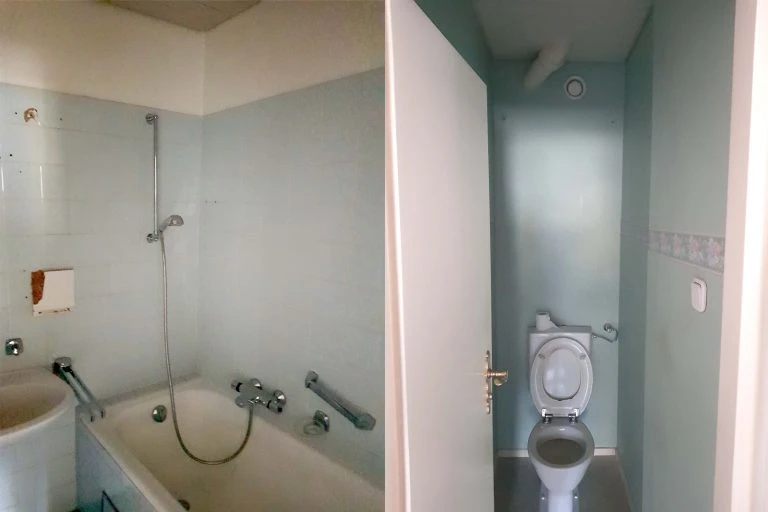
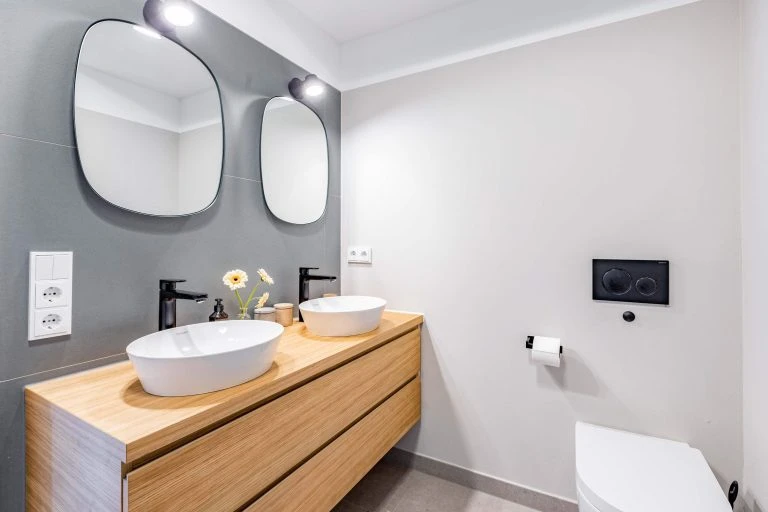
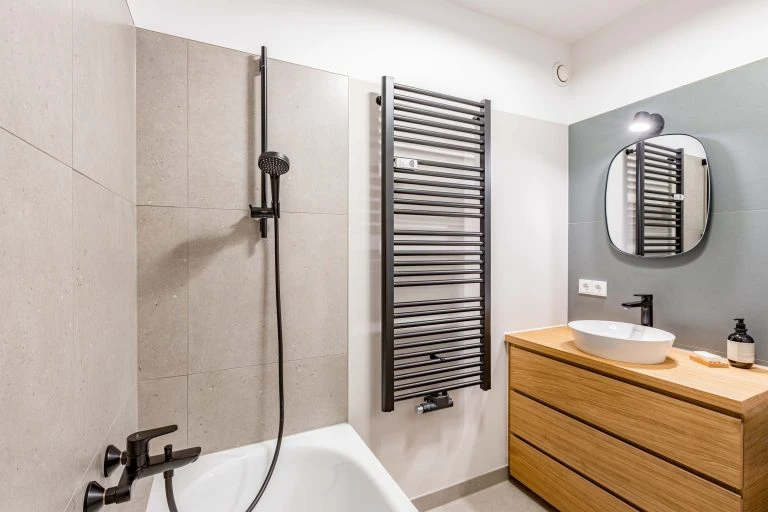
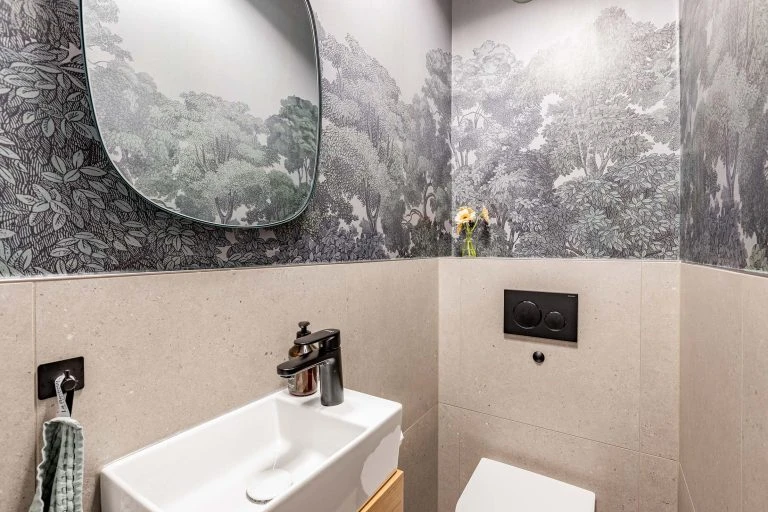
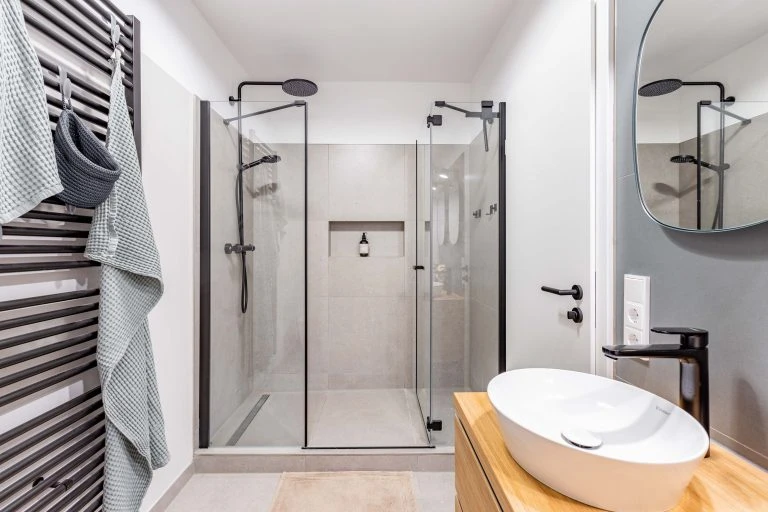
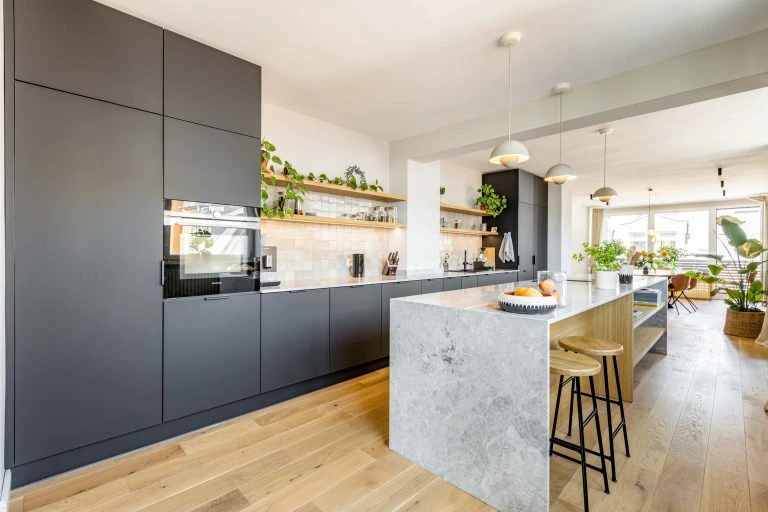
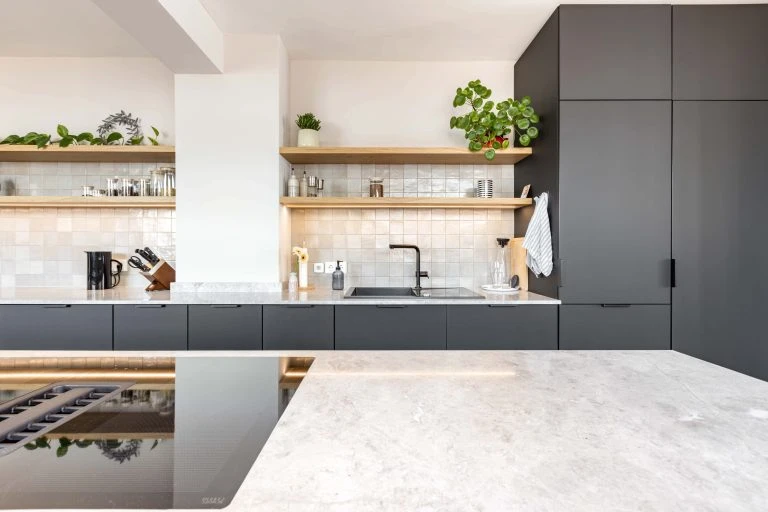
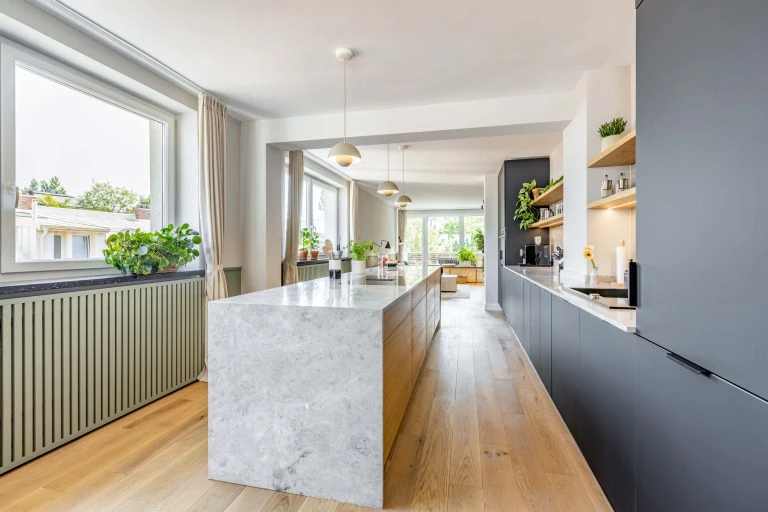
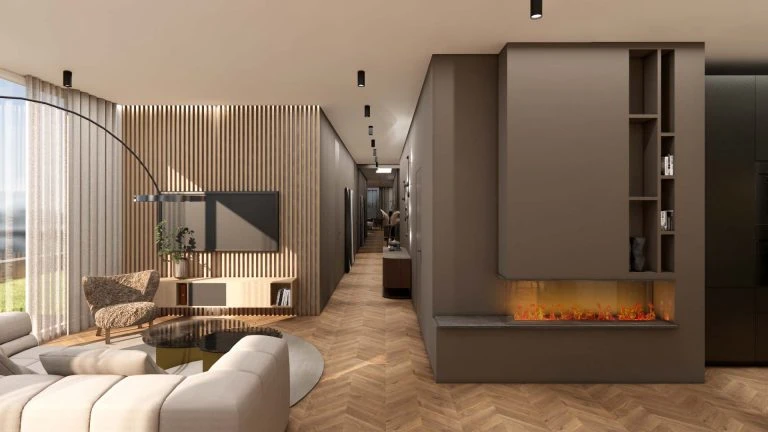
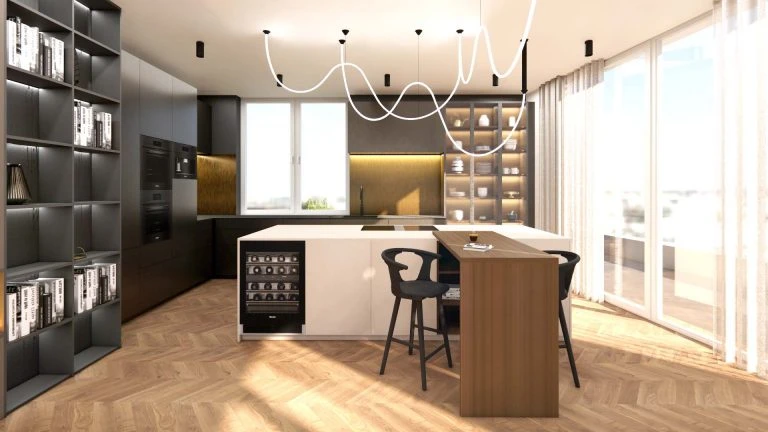
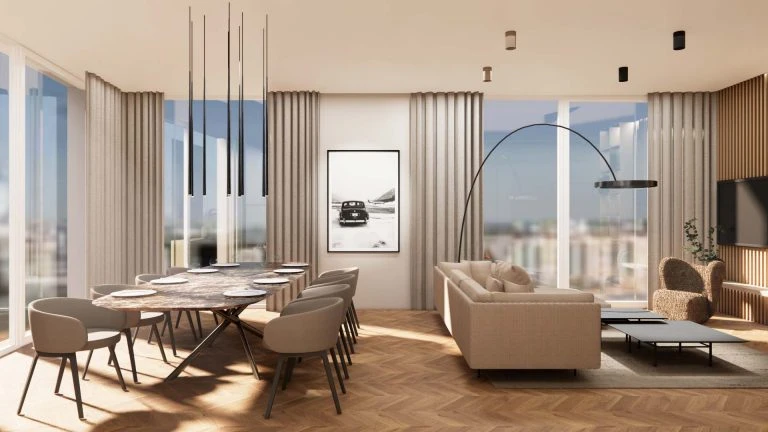
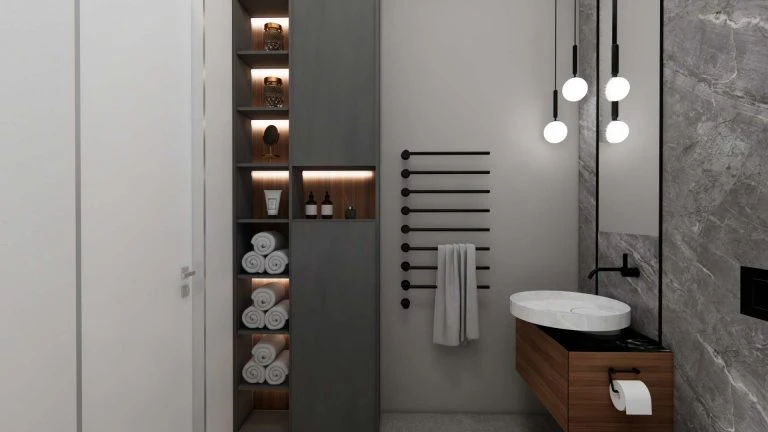
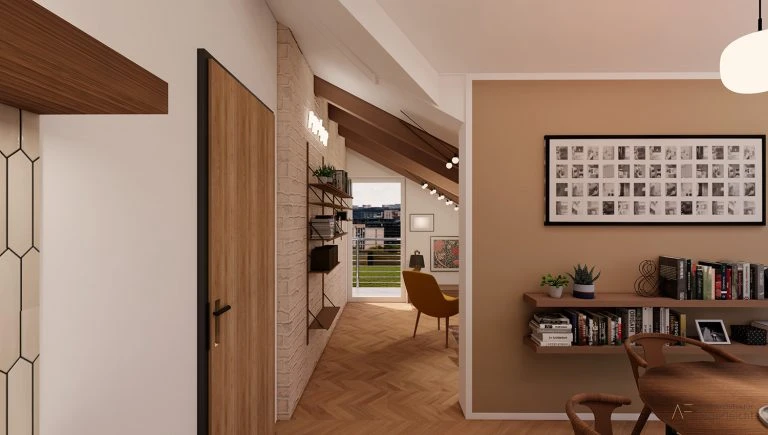
Here are a few impressions of a comprehensive flat renovation in Munich:
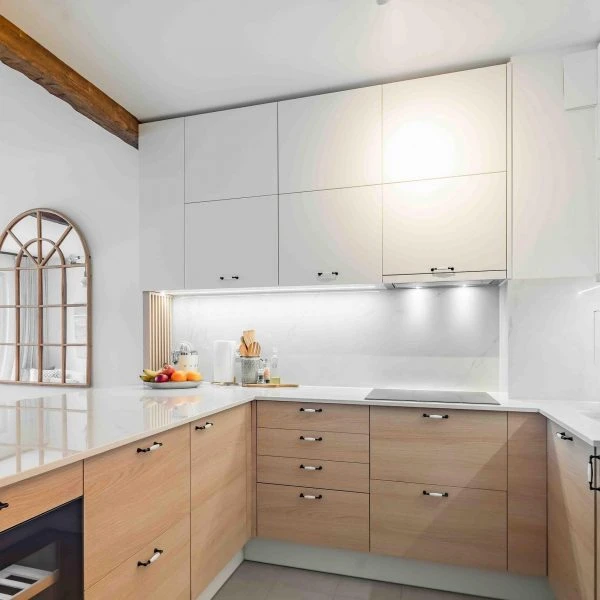
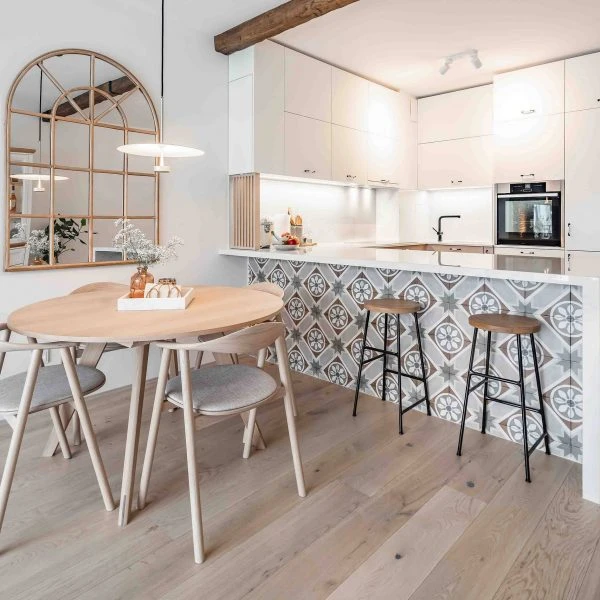
Two become one – a family wanted to combine two adjacent flats and thus create plenty of space in the middle of Munich. The goal was an open floor plan with a modern kitchen and a freestanding kitchen counter as the centrepiece, where the whole family likes to come together and friends are welcomed.
You can find the entire project on our project page.

Room Planning Made Easy: How to Design Your Living Space Efficiently and Stylishly
The design of our own living space plays a central role in our well-being and the atmosphere within our own four walls. But before choosing furniture or deciding on colours, interior architecture room planning comes first. A well-thought-out room plan creates the basis for a harmonious home in which functionality and modern style are in harmony. In this blog post we explain how you can design your rooms optimally and give helpful tips for perfect interior design.
What is room planning and why is it so important?
Room planning means thinking through the floor plan and the use of a room in advance. This includes everything – from furniture arrangement and consideration of light sources to efficient use of space. Well-thought-out functional interior design ensures that the room is both aesthetically pleasing and practical. It helps to use the space efficiently and thus creates living concepts that not only look good but also work.
Thoughtful room planning prevents rooms from looking overloaded or chaotic and helps to make the best use of the available space. The result: a harmonious, homely ambience in which aesthetics and functionality complement each other perfectly.
5 tips for successful room planning
- Function before design: First consider how you want to use the room. Should it be a living room where you can relax, or a home office geared towards productivity? Function should always form the basis of the room plan.
- Example: In a home office, the desk could be placed so that it receives plenty of daylight, while shelves and storage furniture use the walls so as not to overload the room. In a living room, on the other hand, the focus can be on a cosy seating area that invites you to relax.
- Example: In small rooms, a well-placed mirror can reflect the light and make the room appear larger. In addition, floor and table lamps can provide extra brightness in dark corners.
- Example: An extendable dining table can be used for large dinner parties or smaller family meals. Modular sofa systems can be rearranged or extended as needed to redesign the room again and again.
- Common mistake: Many people make the mistake of choosing furniture that is too large for a small room, which makes the room look overcrowded and restless. Instead, you should opt for furniture with a slim design and clean lines to create more sense of space.
- Example: In a small bedroom, light wall colours and bedding can visually enlarge the room, while wooden accents in the furniture provide warmth. For larger rooms you can use darker colours to create a cosy atmosphere.
Our Online Shop: Natural SOUL Interior
Where did the idea for our own online shop come from?
The idea for Natural SOUL Interior was born back in 2019: to offer furniture, home accessories and decorative items that are produced sustainably and yet meet our design standard in an online shop.
Our goal was to bring small, special companies together in one shop – a special selection. Partners and producers who also embody and live our three core values: sustainability/naturalness, authenticity and connection.
In 2022 we were finally able to put it into practice. The idea came to us in Paris, it matured further in Sri Lanka with a view of the sea, and it was inspired by modern Mediterranean hotels around the world.
The question that started it all was and still is: “Where does your soul feel free?”
For us there was a clear answer in Sri Lanka as we looked out over the Indian Ocean: here! For us, the sea is the greatest source of energy and the place of greatest relaxation. This gave rise to the idea of bringing this style into everyday life. Coming home to a place that feels like freedom and security at the same time.
What defines the modern Mediterranean style we offer in the shop?
Natural fibres such as bamboo and hemp, dark and light woods, sandy beige tones and accents of light from the midday sun. Aqua tones inspired by the sea complement the natural colour range. They feel refreshing, invigorating and carry us away to distant places.
What does sustainability mean to us?
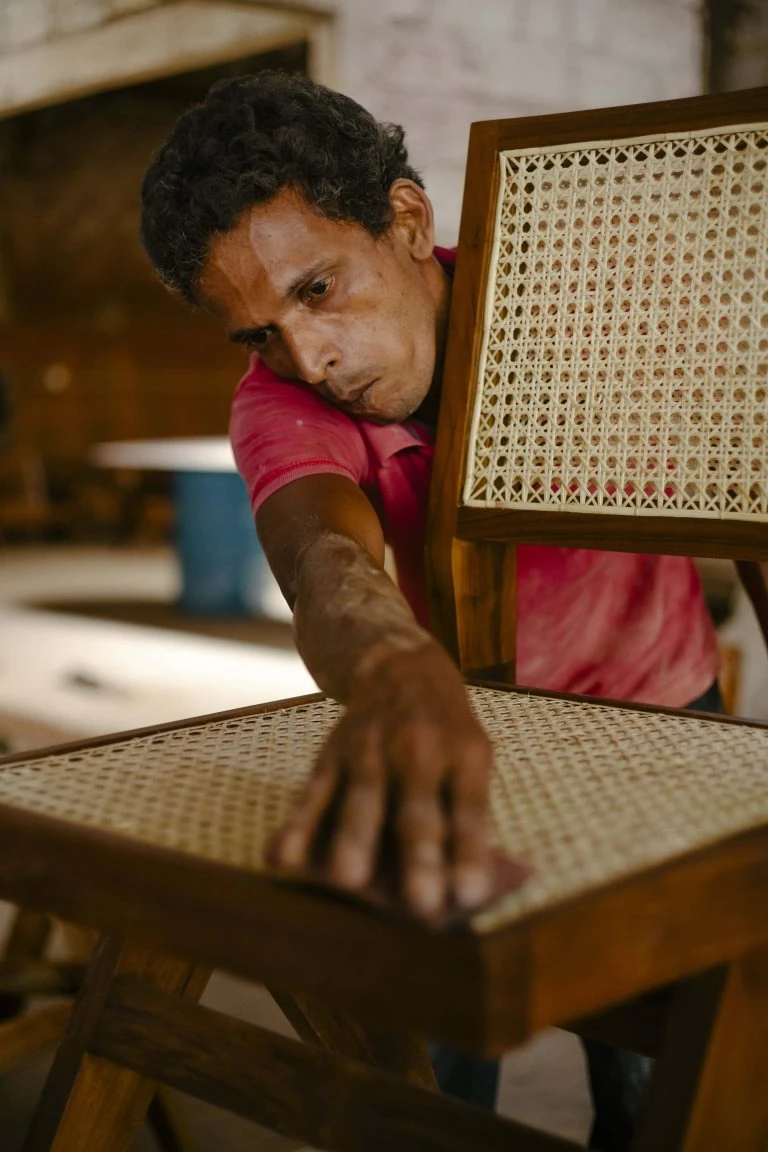
Nowadays the word sustainability is used a lot and interpreted in many ways. In order to offer sustainable products, we have selected partners who mainly work with natural materials and produce locally.
Our criteria are:
- Small family-run manufacturers
- Selected design that is timeless and therefore pleases for a long time
- High quality and materials
- Use of mainly renewable raw materials and recycled materials
- We support reforestation projects and, in future, further social projects
- Social responsibility of the manufacturers towards their employees
- Transparency and honest, open communication with us
We are not (yet) perfectly sustainable – but above all authentic and on a good path towards a more sustainable and responsible world. That is exactly what matters to us.
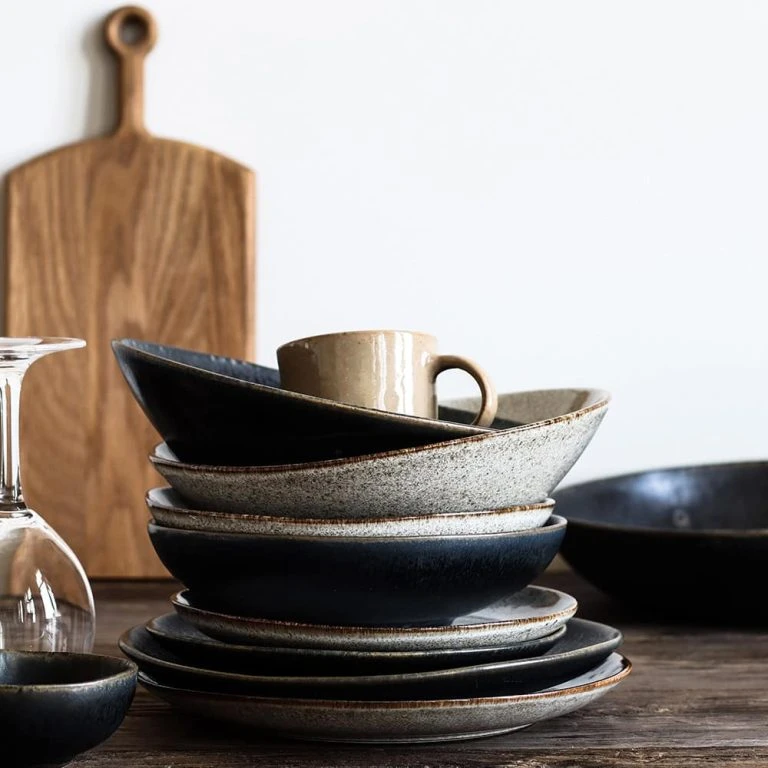
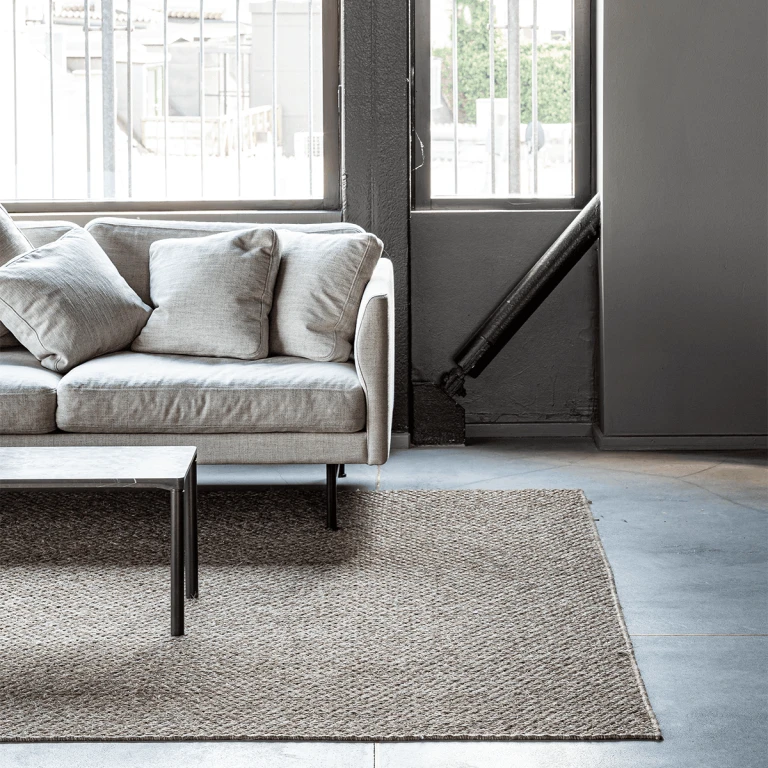
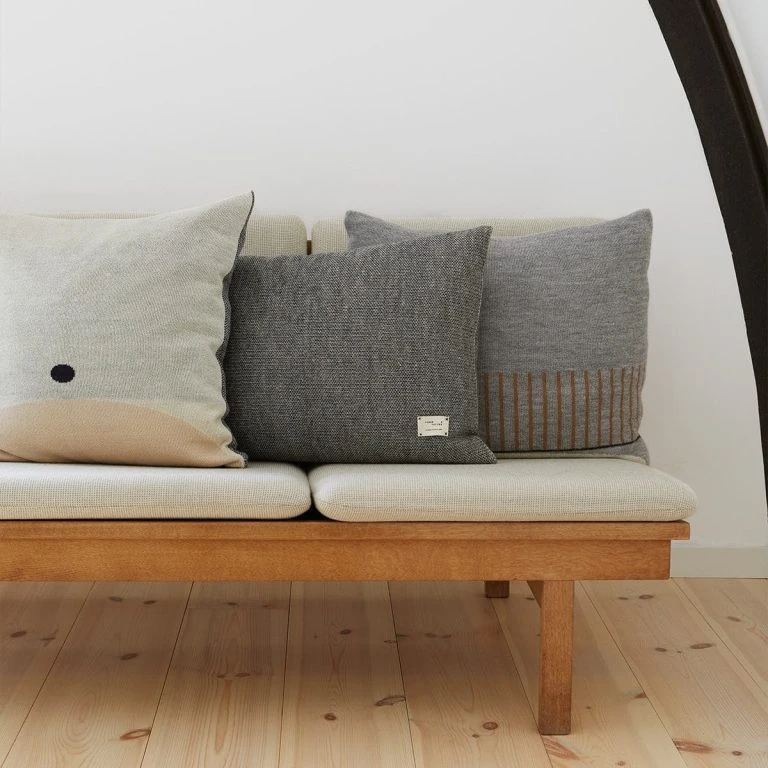
Visit our online shop Natural SOUL Interior and find sustainable, high-quality furniture, home accessories, decorative items, rugs, textiles, lighting and gifts.
We look forward to seeing you!
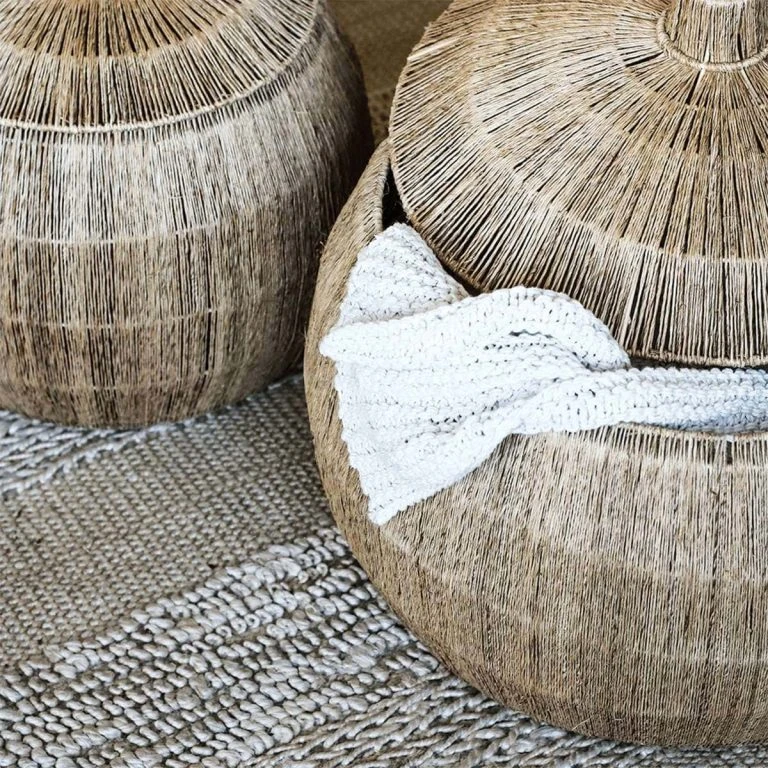
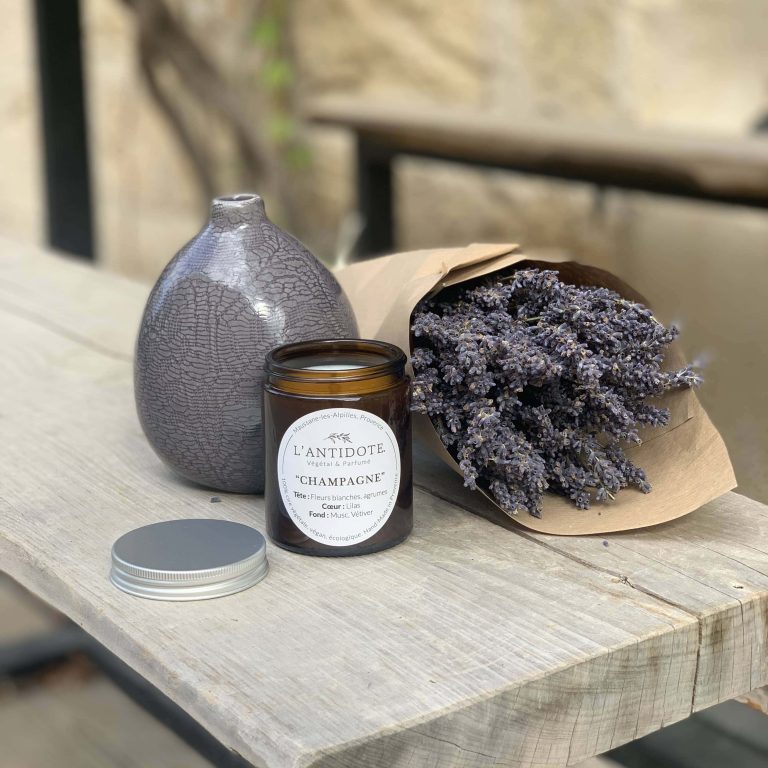
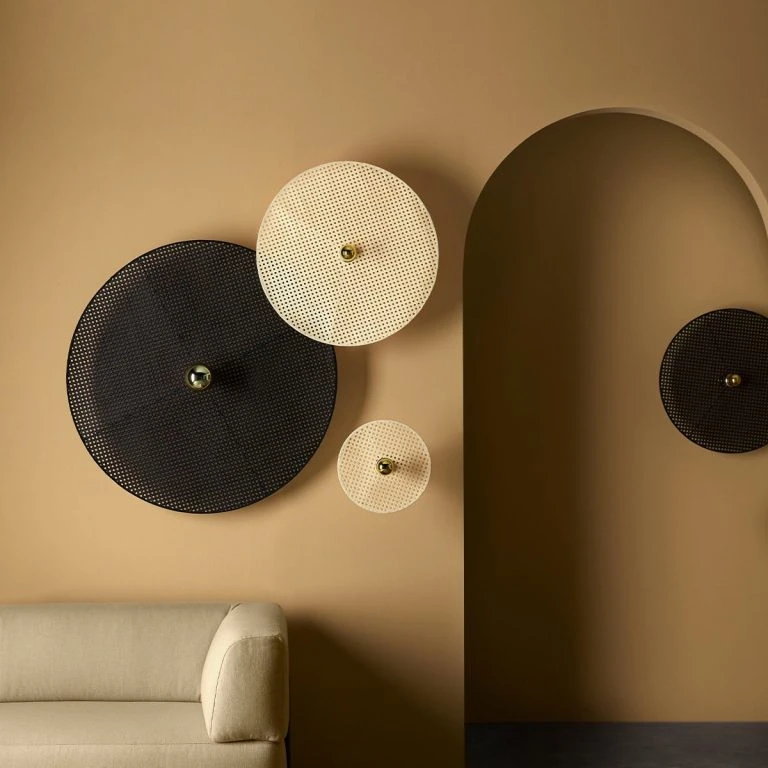
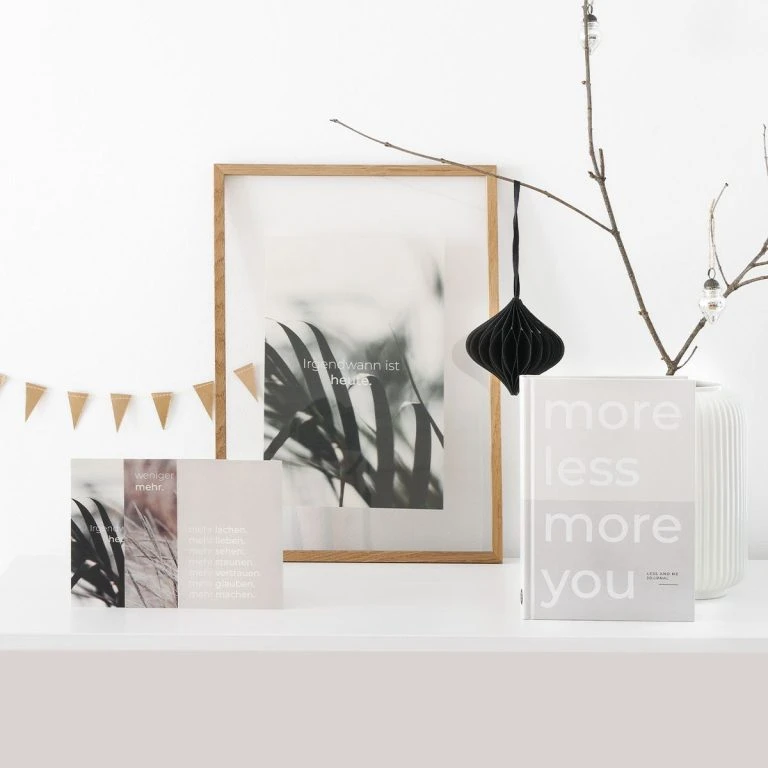
A few impressions of our products from the shop:


3 Tips for a Feel-Good Bedroom
1. A colour concept for relaxation
Colour psychology influences restful sleep. There are colours that have a calming effect on us, e.g. muted natural tones. Blue-grey relaxes mind and body, beige creates neutrality and warmth, sage green brings nature into the room, pink or lavender set romantic and lovely accents. Dark, rich tones not only look elegant but also promote deep sleep and calm. It is also advisable to look for wall paints with a composition as natural as possible, so that we don’t surround ourselves with toxic pollutants from off-gassing. That way you can breathe easy.
2. Order creates calm
Minimalism is the keyword here: what do I really need in the bedroom and what can be cleared out? How can I create more order?
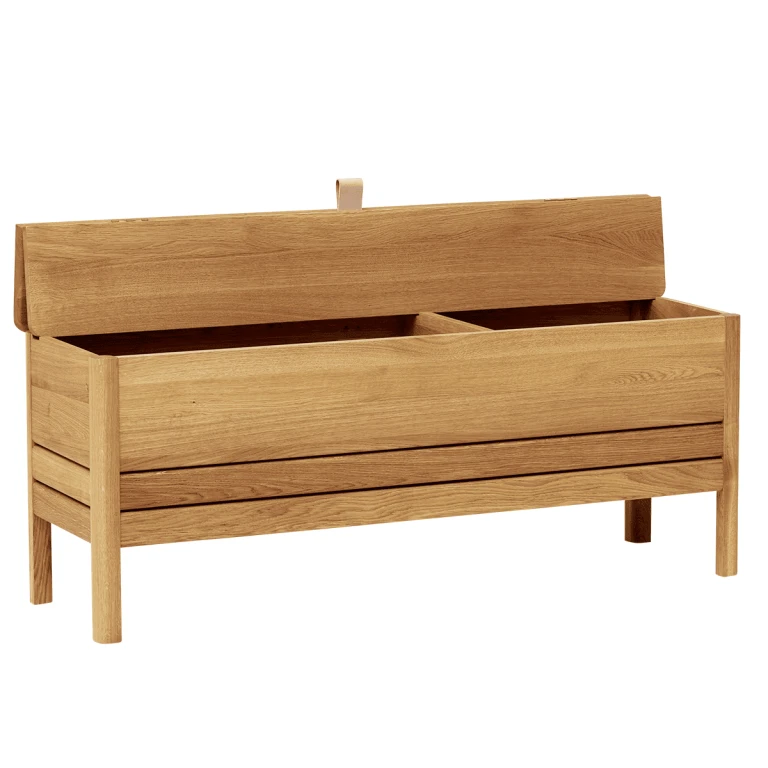
Wardrobes with closed doors are always better than open shelves, which make it harder to keep things tidy. Furniture that is not too large brings lightness into the bedroom. Tidy the room before you go to bed. That way the mind can relax too.
As interior architects, the atmosphere is of course important to us: don’t keep the bedroom too sterile! Cosiness is the priority.
3. Feeling good with all the senses
A pleasant, calming atmosphere is perceived through all the senses.
Touch
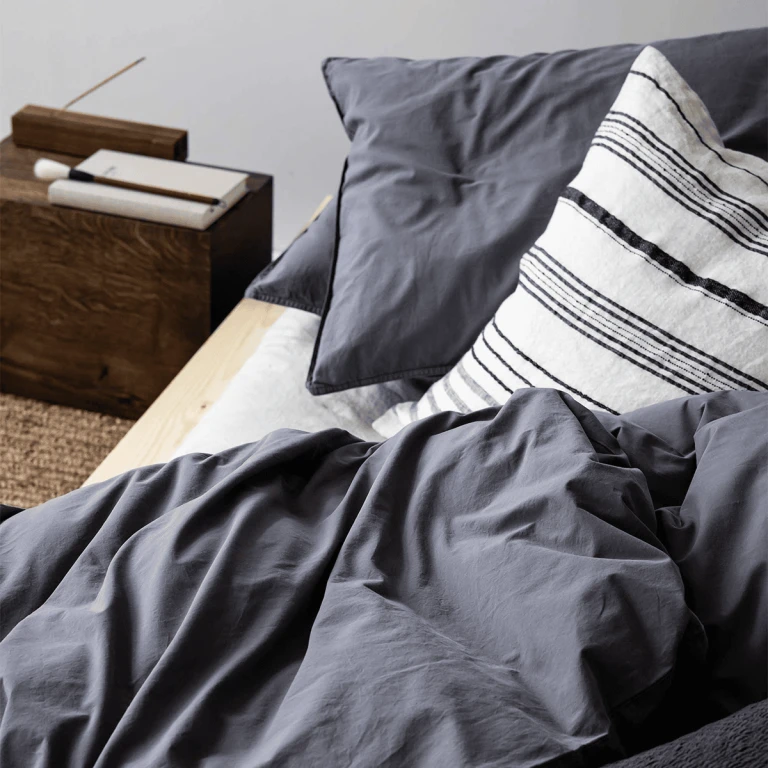
Materiality is an important topic, especially in living spaces. Look for high-quality, natural materials and fabrics. In summer, for example, bed linen made of linen or hemp is a good choice as it balances temperature. In winter you can opt for organic cotton. For our online shop Natural SOUL Interior we deliberately choose sustainable and natural materials for a healthy room ambience. These soft and cosy fabrics contribute to the cosiness. We would also choose high-quality textiles for rugs and curtains.
Smell
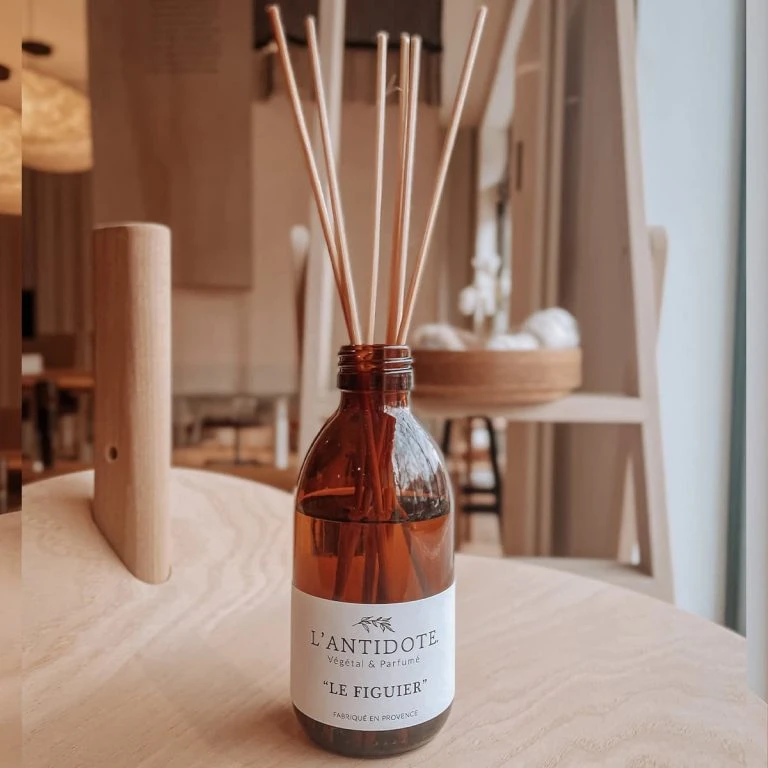
A pleasant room fragrance can help you fall asleep – one that has a calming effect like lavender, or one you particularly like to surround yourself with. The right room temperature, plenty of fresh air and plants can also contribute to a better indoor climate.
Sight
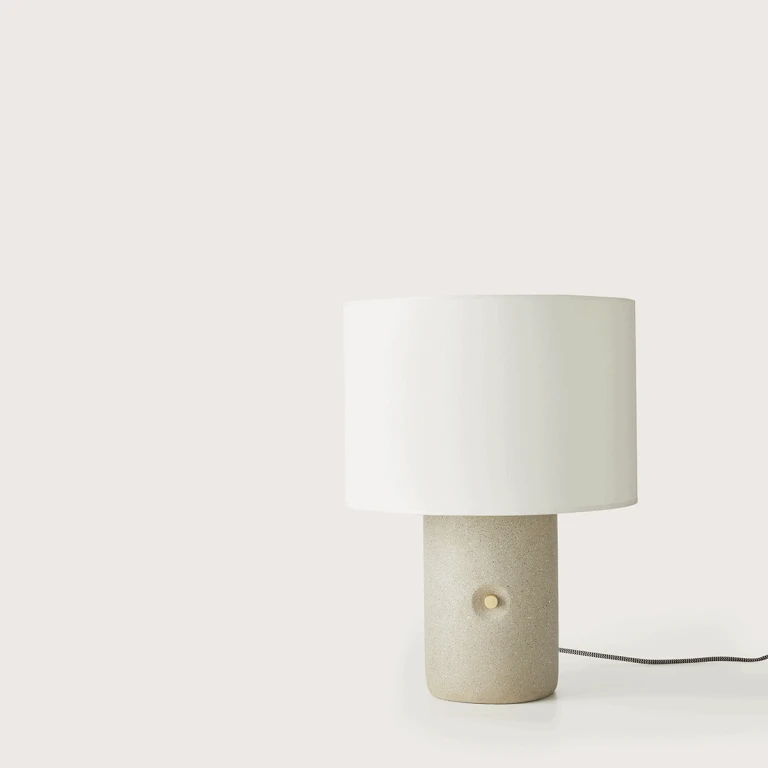
When choosing lighting, go for several small light sources, dimming and a warm colour temperature (e.g. 2,700 to max. 3,500 kelvin) so that the eyes can already get used to sleep.
You can find a few example products for the 3 points above in our online shop:
Interview With Founder Andrea Franke: What to Look Out for in Your Home Office
Dear Andrea, for many self-employed women the home office is a central hub in life. It is a strategy room, an implementation space, an observatory of ideas and so much more. With your interior architecture studio Federleicht you have designed the most varied of spaces. How can I make sure my home office becomes a perfect place for every mood?
As with any other room, we always start with a mood board, whether it’s a flat or an office. Anyone can do this very well at home for themselves. Why is a mood board important? This presentation (either in PowerPoint, in a folder or simply saved on Pinterest) gives a rough guideline for style and colour inspiration. What story do I want to tell? How do I feel comfortable and able to work well? A guide to finding your story can be a style such as clean Scandinavian or boho, but also your favourite travel destination, a hobby or your favourite colour. Decide on one style, one range of materials and colours, so that it doesn’t get too wild. Structure is particularly important in the home office, and that should already be reflected in the planning.
What do you consider essential in a home office? What do you personally attach particular importance to?
Personally, I attach great importance to order, as I tend to have a lot of documents and samples on the table in the office. At home it simply feels good when everything is tidier. Often we don’t have a separate room available either, so closed cupboards look tidier than open shelves.
Which furniture can help us create more structure, and do I have enough storage? It’s nice when the room helps us be more organised and we can easily put everything away in the evening. That makes it easier to switch off in the evening and arrive back in our private space.
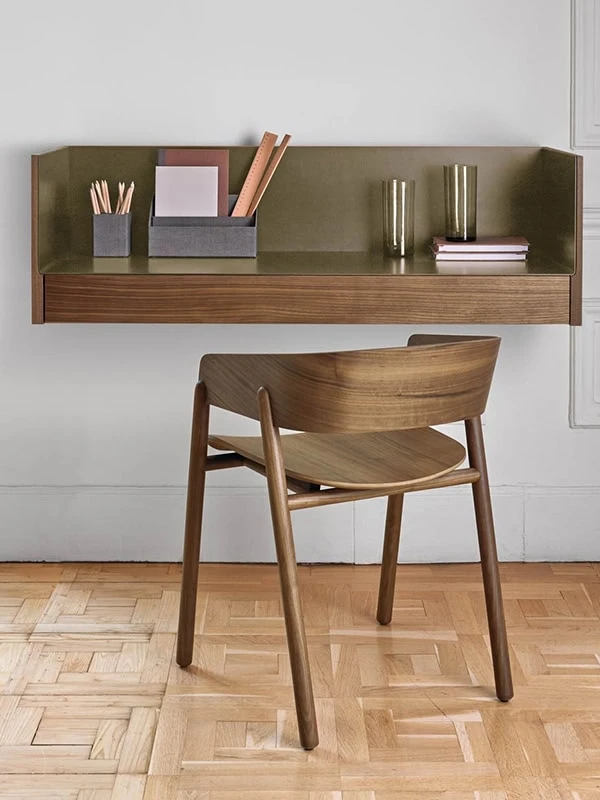
Multifunctional desks can also be a good solution: a desk during the day and a wall cabinet in the evening.
Which principles should I follow when setting up my home office myself?
Colour design is a very important factor at home that is often underestimated. We Germans like it light and white, inspired by the Scandinavians. The British or French, for example, are much bolder and play with colours and dark tones too.
That’s a matter of type. In general we recommend going for calm, i.e. not too many contrasts or colourful accents that distract us. Colours inspired by nature are psychologically good for concentration – these include sage green, dove blue or light grey/beige tones.
Wallpaper can also be a lovely addition for one wall.
If you are unsure, go for colour harmonies rather than strong contrasts. With shades that have a grey undertone you can hardly go wrong.
Checklist for an ergonomic home office:
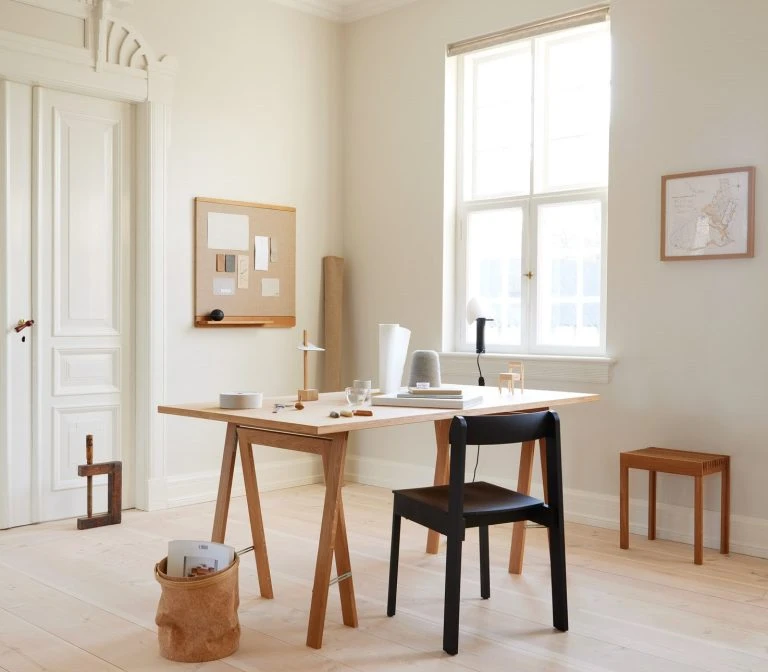
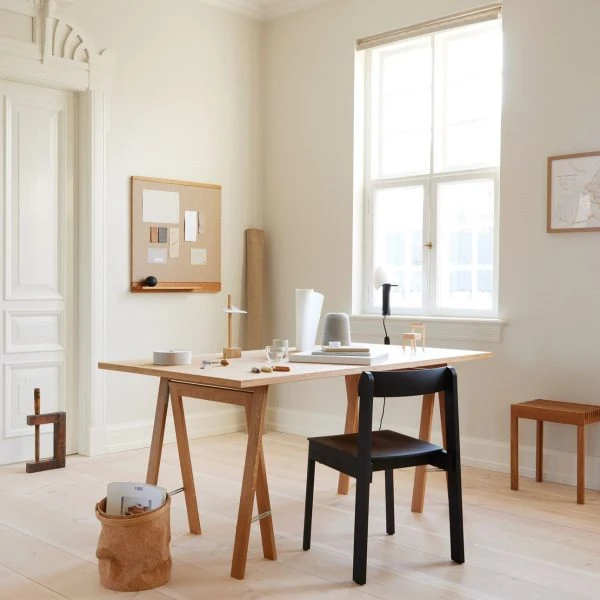
- The desk is at right angles to the window for optimal light, plus additional light sources, ideally glare-free
- Separation from the private area with room dividers or multifunctional furniture
- The office chair and desk should be ergonomically designed: ideally height-adjustable with a flexible seat
- How much time do you spend there? If you work here most of the time, don’t skimp on good, ergonomic furniture. Your back will thank you.
- Does the desk height suit your body height? A right angle at the elbow and knee is a good aid for checking and adjusting the correct seat height
- Keep your workspace tidy! Closed storage and folders in the same colour help create visual calm
- Test the colour scheme beforehand using samples, take your cue from nature or set well-considered colour accents
- Create calm for concentration
- What do you need? Include things that give you relaxation or motivation (e.g. pictures of beautiful places, a vision board for your goals, candles for a cosy winter mood)
What do you attach particular importance to in your work as an interior architecture studio? What sets you apart?
We focus on the needs and values of our clients so that in the end we create spaces that really make a difference to well-being. We also call this values-based design. It is a psychological approach, because we are concerned with the person who lives or works in the space.
Sustainability is also a special concern for us, as we want to promote health in the living environment in particular and at the same time give something back to nature.
That is why we have also realised my passion project, the online shop Natural SOUL Interior for sustainable furniture and home accessories. We want to combine selected furniture, household and decorative products for a home in holiday style with sustainability – in the home office too. I believe that as consumers we can all make a difference and don’t have to forgo good design. Not with the claim of being perfect – but with heart.
Feel free to take a look at www.naturalsoul-interior.de
What helps you personally to focus and become creative?
Looking at nature always helps me best to find new creativity. I need variety and a wide view, and above all room to think.
A beautiful environment does so much for us: we breathe deeply, let our gaze wander, can think freely. Even our office and our projects for clients are designed to be very homely and as natural as possible – that is what defines our design. And that is what lets us focus ourselves. Creativity, in turn, we find in the smallest things, if we only look. I find it in hotels, when eating out, on walks, through conversations with colleagues and friends and especially by the sea.
I need space for focused work, for relaxing, for thinking or for letting my thoughts fly. Colours and materials create a suitable atmosphere depending on need and mood. Regular meditation in the morning also helps me start the day with more clarity, as does relaxed music for a feel-good atmosphere.
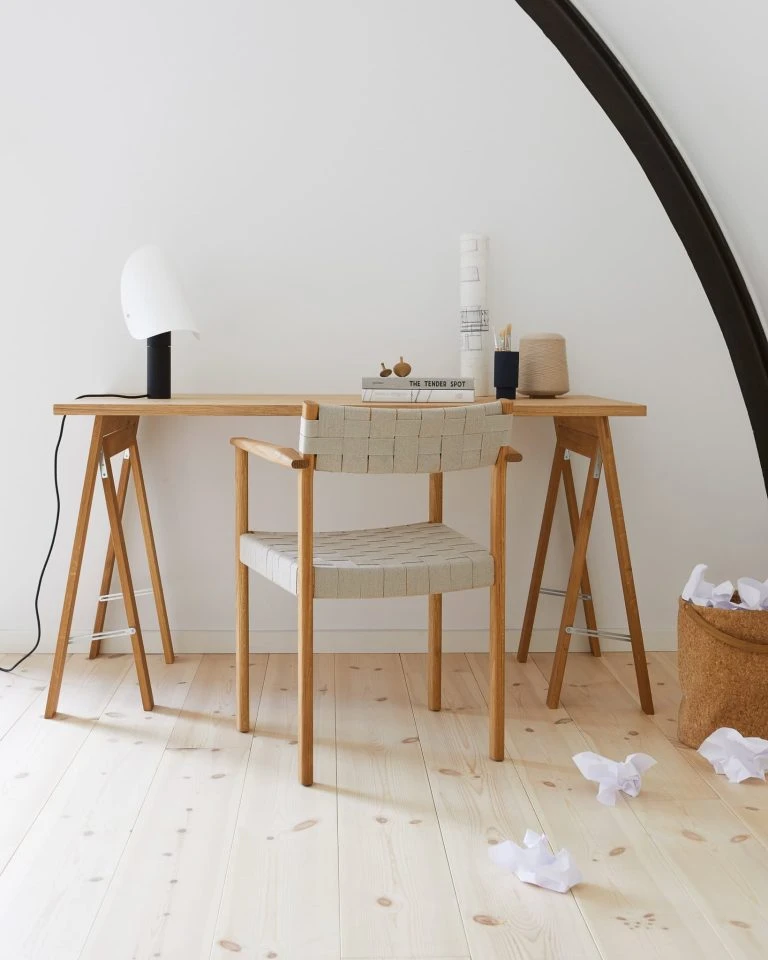
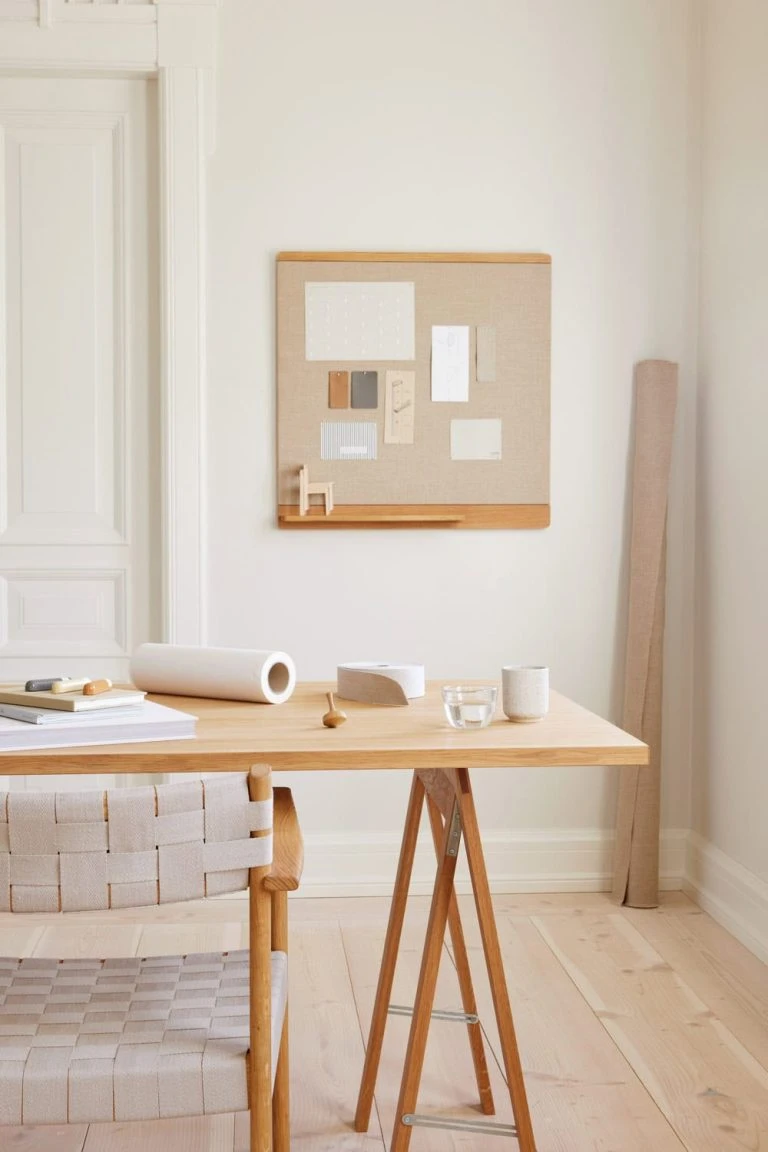
Colour Design at Home
Colour psychology
Colours surround us everywhere, whether at home or in nature. They are not only beautiful to look at, but have a great effect on our psyche and our feelings. Colours have always been used, for example, to show emotions. Colour psychology is about investigating which colour can influence us and how.
It is important to take culture into account. In different cultures, colours stand for different emotions. Studies have shown, for example, that in Scotland blue street lighting keeps crime rates in cities low. This can be explained by colour psychology, because the colour blue feels familiar, clear and gives a sense of security. But association also plays an important role, as blue light is often associated with police, ambulances and the fire brigade. Everyone perceives colours differently, but there are shades that all people fundamentally perceive as warning or signal colours, such as red.
Colour in the room
Which colour has which influence on us? And what does colour do to the room?
In Germany, most people are very sparing with colour. The trend here is white, because we believe we can’t go wrong with it. We are afraid of not being able to stand a shade any more after a few years. But you can go more wrong with white than you think, because white rooms may look calm and homogeneous, but they also quickly become boring and say nothing. We should dare to use colour within our four walls, because the choice of colour says a lot about us, giving the home a strong character of its own and reflecting our personality.
We can create a colour concept by choosing a colour family that appeals to us – this can be based on a favourite colour, for example. It is also important which room we want to give which colours. A bright room with daylight can take a darker colour better than a rather dark room. Small, dark rooms are kept in light colours. The question of mood is also important, as we distinguish between cold, warm and neutral shades:
- Cold: calm, freshness (violet, blue, turquoise)
- Warm: cosiness, cheerfulness (yellow, orange, red)
- Neutral: neutrality, always suitable (white, beige, grey)
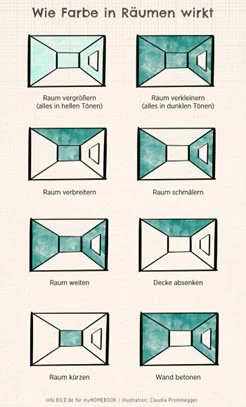
The room appears larger with light shades. Strong and dark colours, on the other hand, make the room smaller. We often paint only one wall in the room so as not to have too much colour, but the one-wall-colour principle has further effects. Depending on which wall of the room is painted, the room appears more compressed, more stretched, higher or lower.
A room in which all the walls are painted in one colour creates harmony. Areas of colour in the room visually move forward towards the viewer – a property that can be used well to highlight areas in a room.
You should also pay attention to the surfaces adjoining the coloured areas, as they should harmonise with each other. These can be: floor, furniture, ceiling, wall, curtains…
If, for example, you place a yellow sideboard in front of a white wall, the wall automatically takes on a yellowish tinge, because the yellow colour reflects onto the wall. Here too, note that yellow is not just yellow. There are many different shades of yellow (lightened, darkened, greenish, orangey…).
With a few rules about colour psychology and the use of colour in the room, we can make our rooms appear in a completely new look.
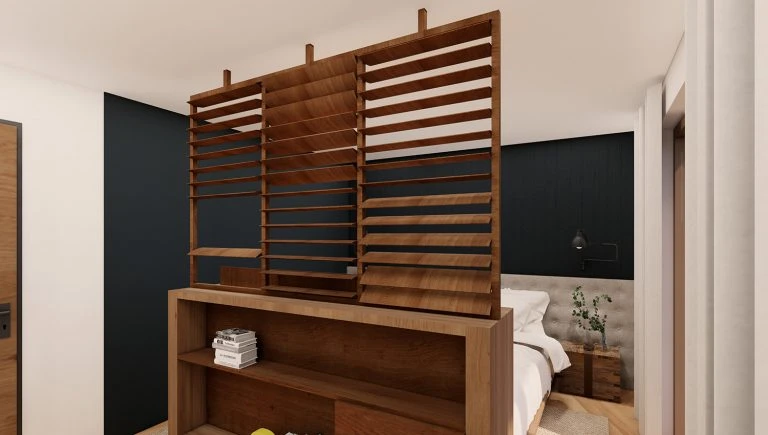

Home Office – Thoughts on the Open-Air Office
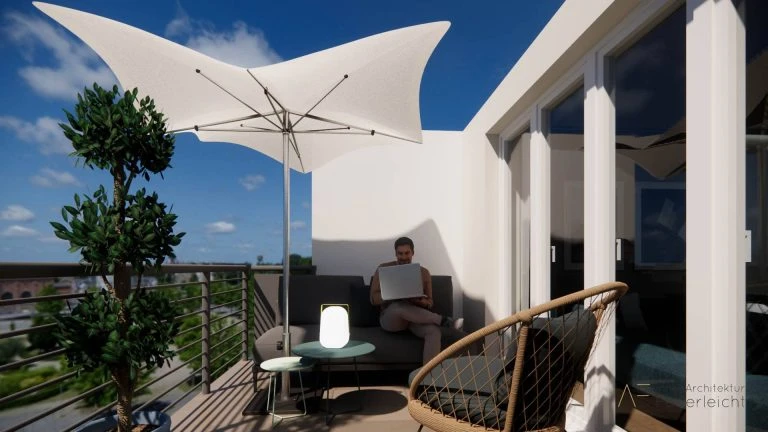
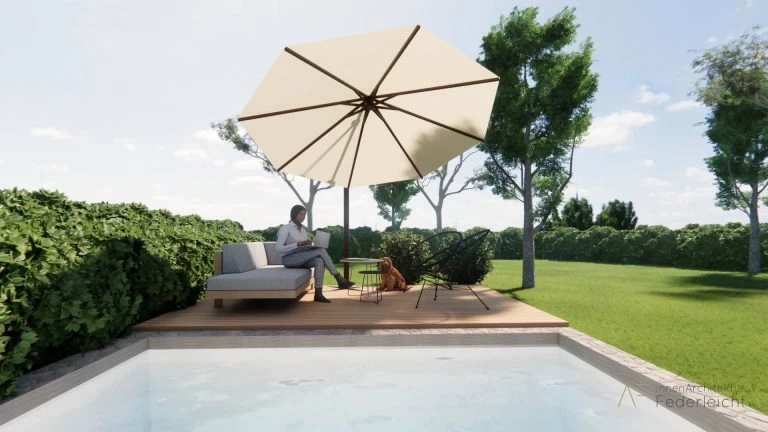
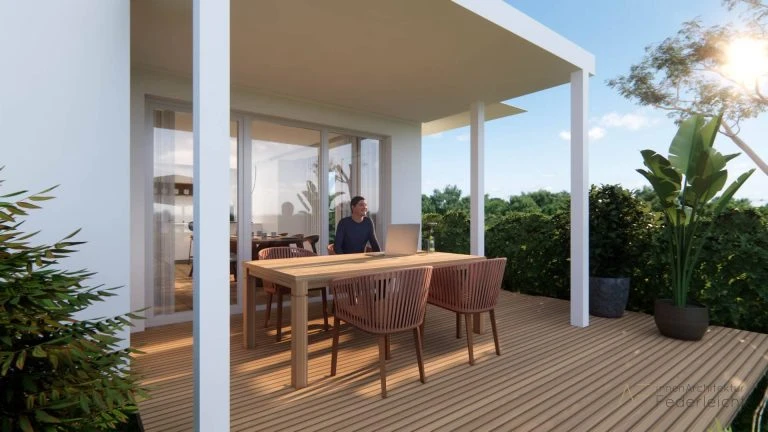
Many of us long for free, mobile working in the age of digital nomads, whom we follow around the world on Instagram and who seem to work effortlessly on the beach with their laptops. That always seemed far away while we spent our everyday lives in our offices. This summer the longing has shifted a little. We sit at home in the home office, and the summer sun shines into our own four walls and tempts us to go outside.
So how can we combine the home office with the longing for nature and not missing a single ray of sunshine?
Reality looks different from the beautiful Instagram travel pictures of the digital nomads. Let’s be honest: the sun glares on the laptop, the internet connection is sluggish and your back hurts after an hour at most.
If we want to work in the garden or on the balcony, we should pay attention to the following points so that the open-air office actually works:
- Light and shade: The best anti-glare film on the laptop is of little use in the long run if you have to write texts and only strain your eyes unnecessarily. An investment in flexible shading is therefore recommended. That way the parasol can move with us and the sun.
- Time of day and temperature: The morning and evening sun is not yet so hot, we can concentrate better and the devices don’t overheat.
- Connections: If there is no power socket pre-installed, run an extension cable through the window during the day. It should be stowed away carefully indoors again once working hours are over.
- Ergonomics: Anyone who has worked at the dining table for a long time knows the problem: the seat and table height of a dining table does not correspond to a workstation! A fixed desk height is 72 cm (adjustable between 66 and 75 cm). A dining table or normal balcony table is usually 75 cm. This small difference can quickly cause back pain. It is therefore advisable to at least bring a height-adjustable desk chair outside. That way we can compensate for differences in height. The rule of thumb for ergonomic working: a right angle at the elbow and at the knee is perfect!
- Screen height: Since the head is always bent sharply downwards when we look at a laptop, we recommend mobile laptop stands that raise the screen or, if possible, using a large monitor. The gaze onto the screen should be tilted by a maximum of 20° so that neck pain is permanently avoided.
- Stand up and move: From “New Work” workplace concepts we now know that mobility at the workplace is important. We should get up and move every now and then. Ideally, place the laptop on a surface 1.1 m high, such as a standing table. Flexible laptop stands that can be adjusted in height are also ideal.
- Make yourself comfortable: As an interior architect, I naturally attach great importance to the space that surrounds us. Our surroundings influence mood and productivity in equal measure. In the home office we can design the rooms the way we feel comfortable. The same applies to outdoor spaces such as terraces and balconies. Flowers, with their diverse colours, strengthen our connection to nature. Even for the more reserved lovers of monochrome, I can recommend really letting loose on the balcony! Colours make us happy and boost our creativity. Outdoor rugs, colourful flowers and cushions combined with simple, timeless furniture can turn a balcony into an oasis. Choose a colour theme, e.g. inspired by your favourite travel destination, and implement it in the accessories! That way you bring the holiday home.
If we take these points into account, nothing stands in the way of working outdoors. That way we can connect with nature even during working hours – which in turn corresponds to our own nature.
Home Office – Find the Right Office Chair
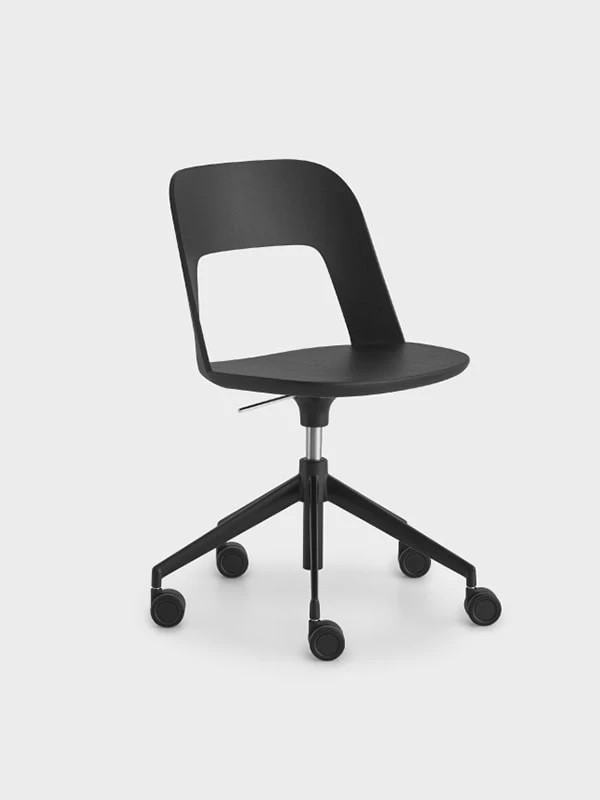
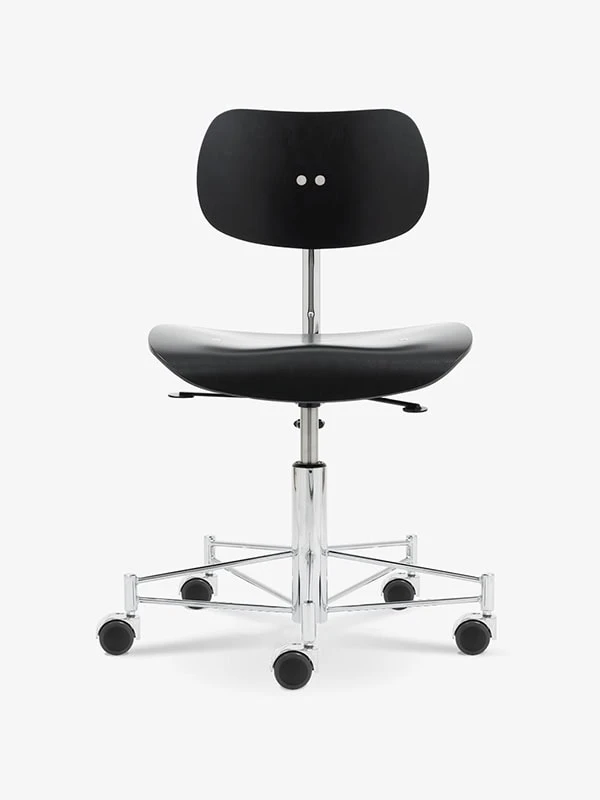
We spend a lot of the day in the office – often more than 8 hours. There we know how important an ergonomic workstation is. It is part of a good office concept in interior architecture. The right office chair saves us back pain and poor sitting posture. When we work from home, however, it is often a different scenario: we sit at the dining table on a rigid chair or, at best, at a simple desk. A dining table has a completely different height from a desk, so a height-adjustable chair is important.
What should a good home office chair be able to do?
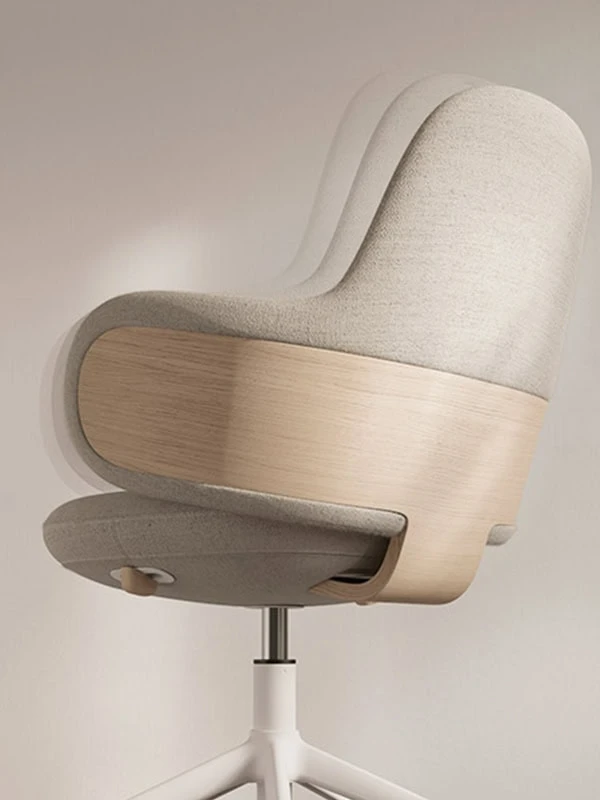
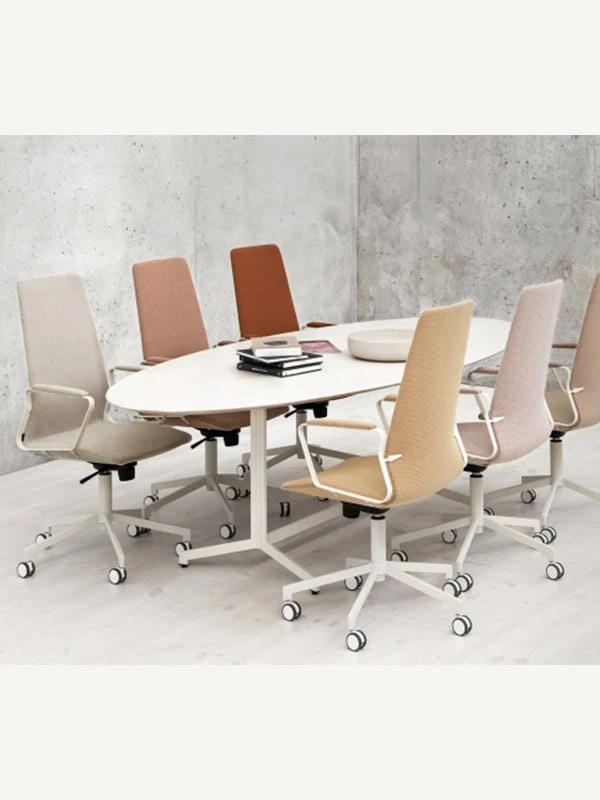
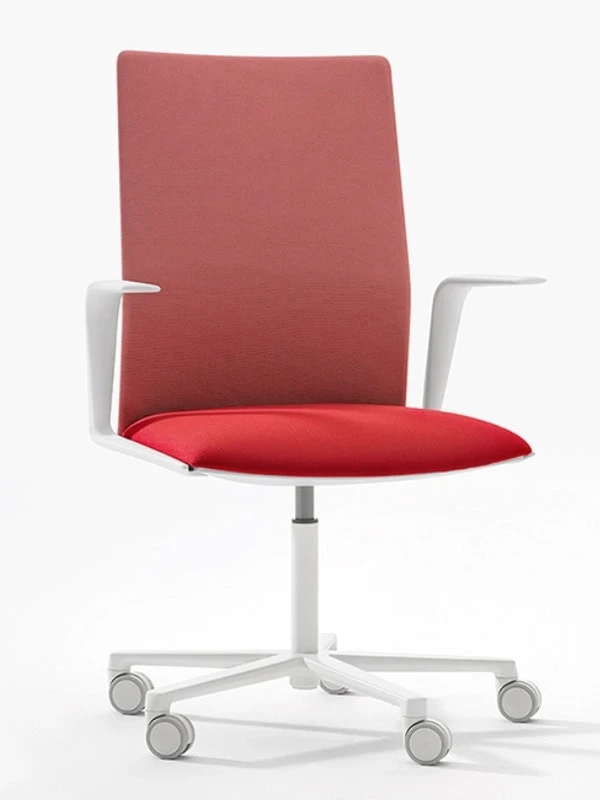
That depends entirely on what is important to you and how long you sit there. At home, looks matter more to us: the chair should blend into the ambience. It should be chic, understated and ideally ergonomic as well.
Not everyone has a separate room available – the workstation is integrated into the living room or bedroom, for example. This is precisely where the design of the home office workstation is particularly striking.
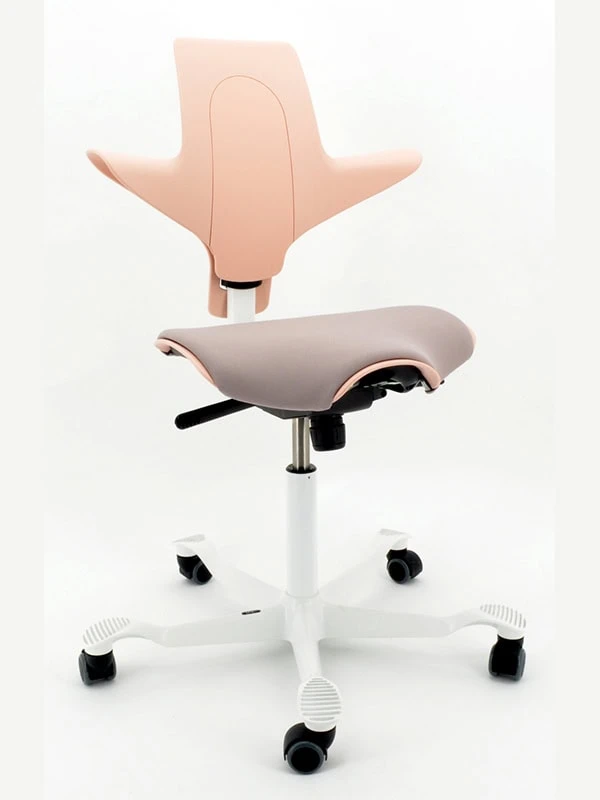
If you have to sit there for many hours, ergonomics should be more important than looks. If possible, it is advisable to try out your new chair. As an interior architect, however, it is important to me to find beautiful models that are homely and practical at the same time.
The chair can be staged as an eye-catcher or remain discreetly in the background.
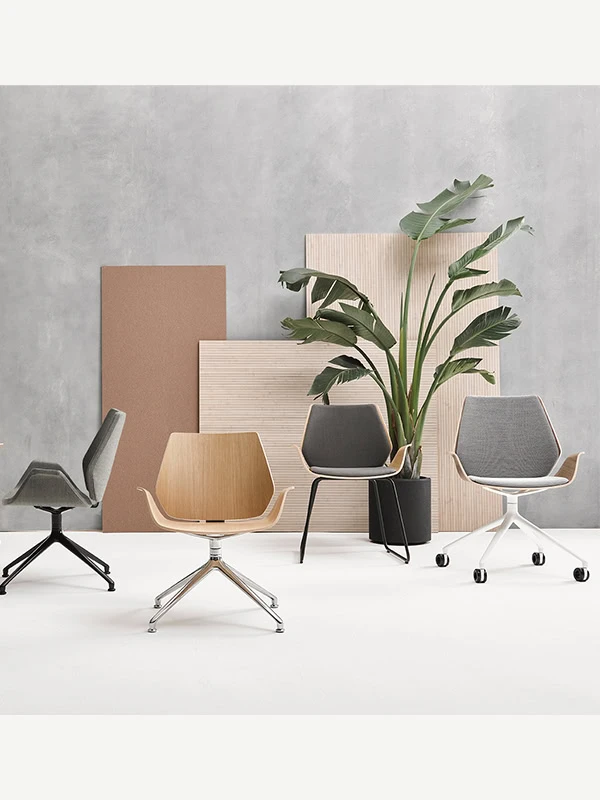
Here are some recommendations, from fully ergonomic to relaxed design classics. We are happy to advise you and find the right solution in your style and budget!




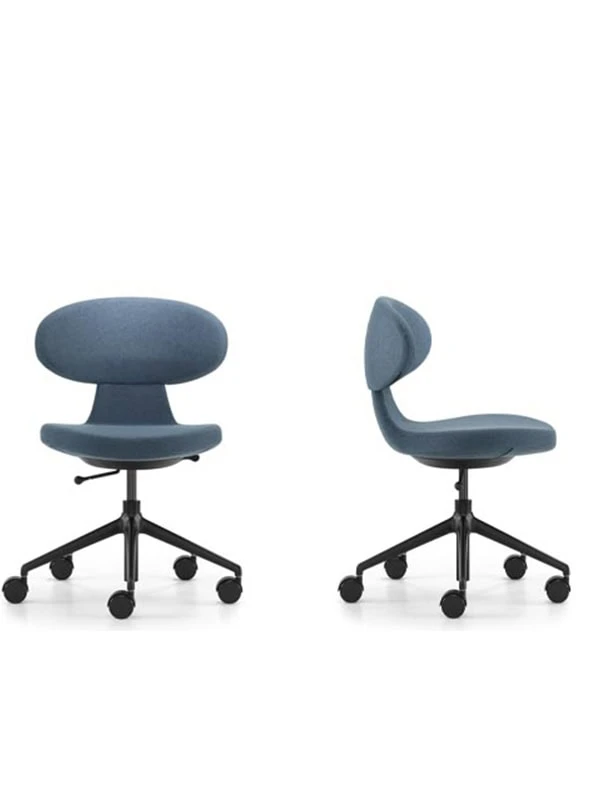
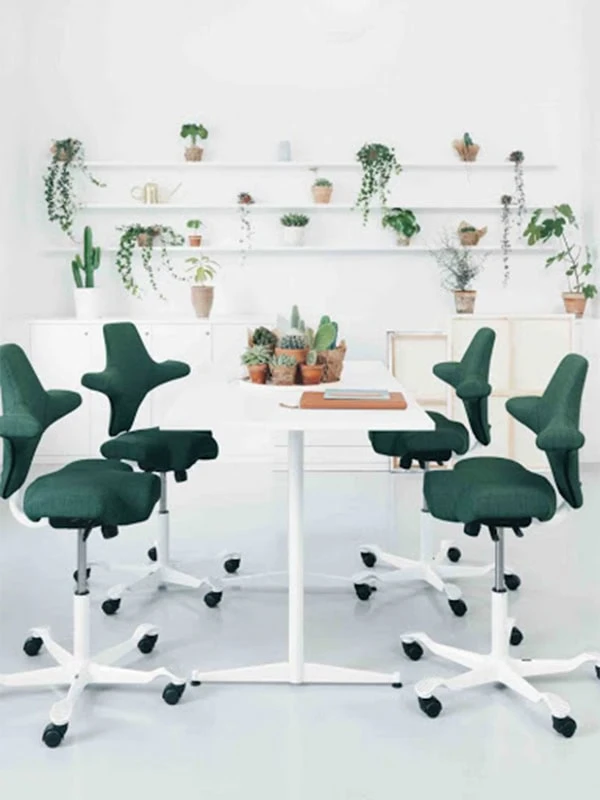

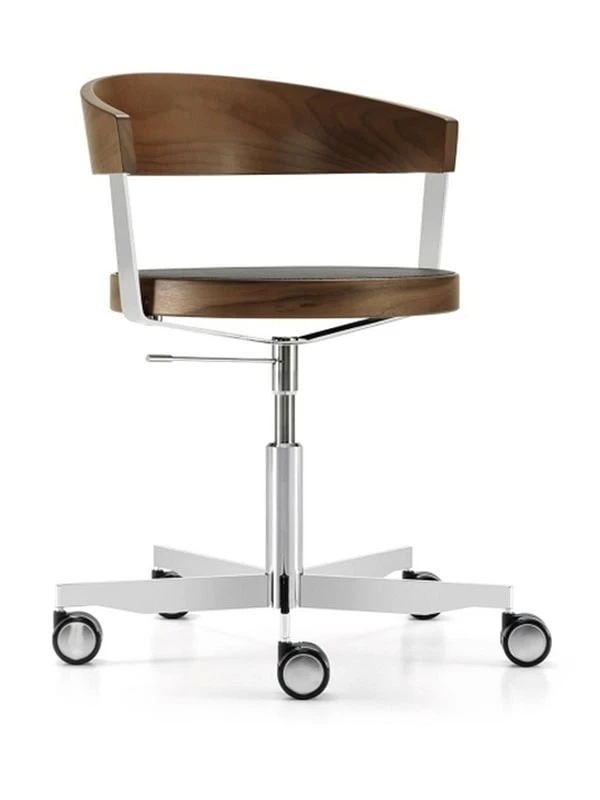
Home Office – Flexible Furniture and Creative Ideas
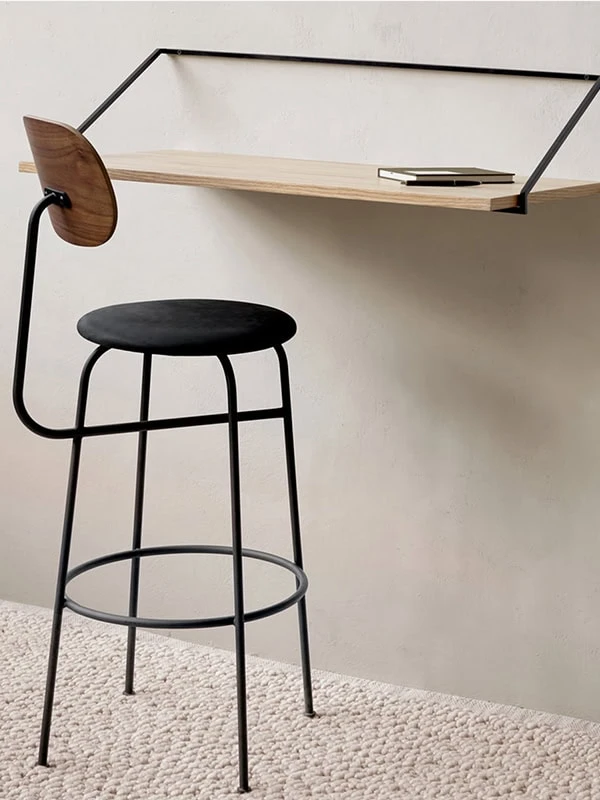
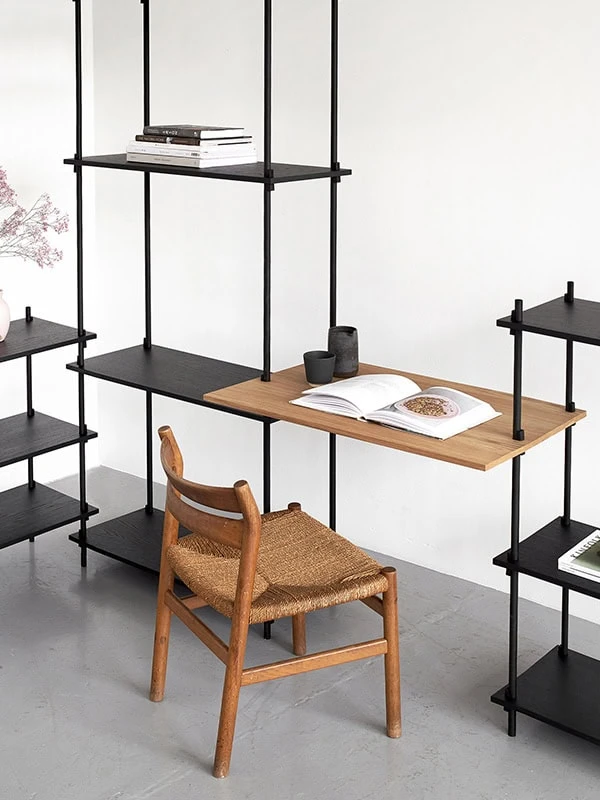
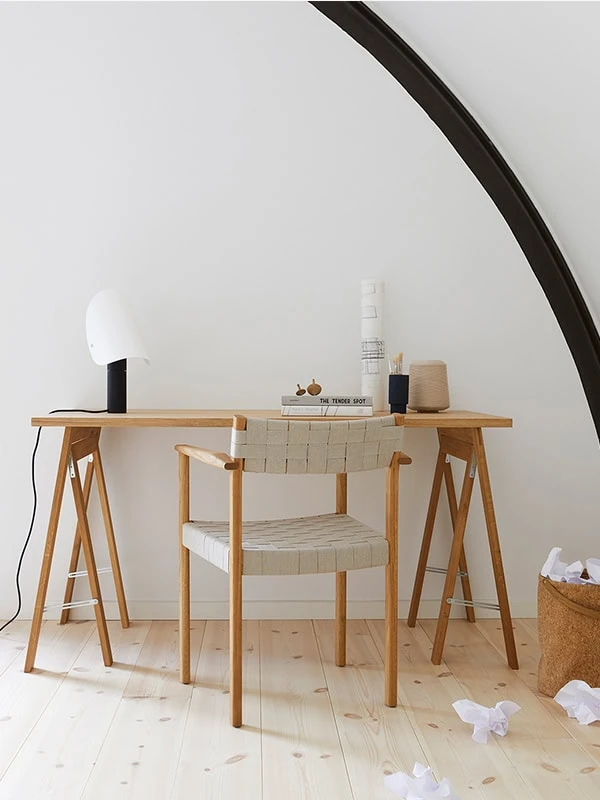
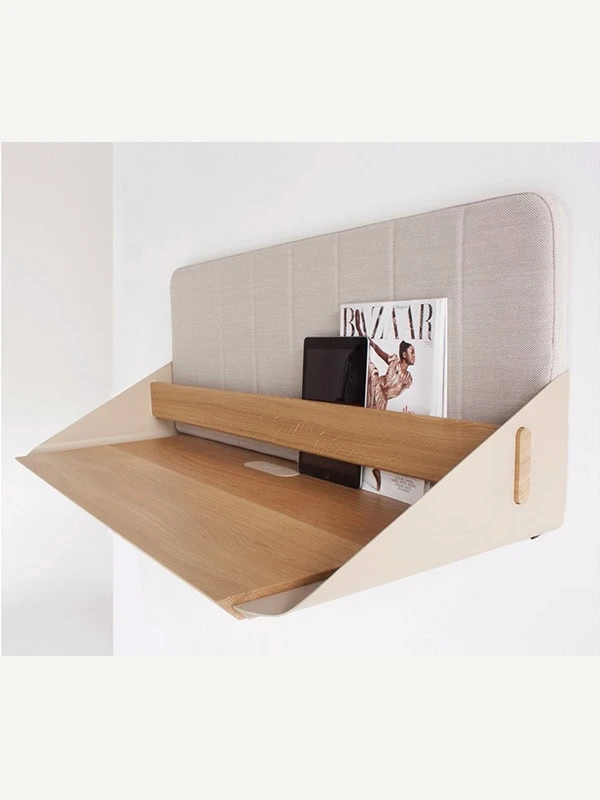
Ideally, the office workstation at home should be invisible. If we don’t have a separate room available, flexible solutions are great. That way, furniture can blend into the interior architecture and may even be hidden.
Then the home office can find its place not only in the living room, but perhaps even in the hallway or bedroom. It is important that we can also switch off and that the workstation is not a disturbing element in the room. For example, there are special shelving constructions with a shelf that is big enough for a laptop and is even height-adjustable.
As interior architects, we recommend ergonomic working both sitting and standing. Feel free to stand up in between to mobilise your back or, if available, switch to a standing desk. Of course, a height-adjustable desk would be desirable.
Checklist for the discreet home office:
→ Optimal lighting: the desk is at right angles to the window
→ Plan additional light sources
→ Create quiet zones with room dividers or curtains
→ The chair should be ergonomically designed: height-adjustable and mobile
→ How can the workstation disappear again in your free time? Foldable or stowable?
→ Does the desk height suit your body height? A right angle at the elbow and knee is a good aid for checking the correct seat height
→ Keep your workspace tidy! Closed storage and folders in the same colour help.
We have found solutions for you with a love of detail that don’t look like a home office at all!
Interior architecture should not only be beautiful but functional at the same time. We help you with the selection.

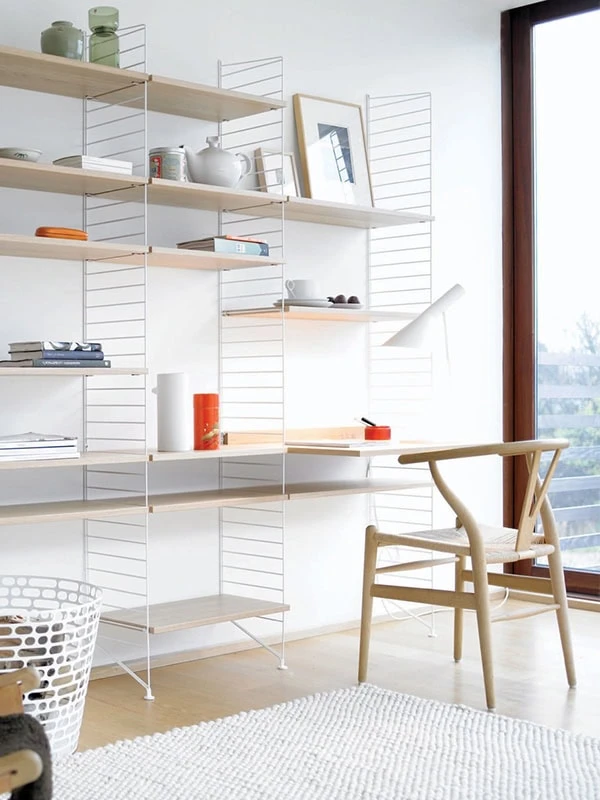
Needs-Based Interior Architecture Designed for People
Interior architecture is more than just combining furniture and home accessories in a room. Needs-based design takes into account the functionality, comfort and aesthetics of the room and a good deal more in order to create an optimal user experience. Well-thought-out interior design can significantly improve well-being and quality of life.
- Why interior architecture matters to people
Interior architecture is of great importance to people, as it contributes significantly to the design of our living spaces. A well-designed interior can considerably improve well-being and the experience of the space. People’s needs should be at the forefront when planning the room, but attention should also be paid to the room’s resources. Needs-based design takes both functional and aesthetic aspects into account. Functionality means sensible use of the room and an optimal arrangement of furniture and use of space. Aesthetics, on the other hand, addresses visual perception and influences our mood and our feelings. Balance is the magic word here – the balance that interior architects want to bring about. A successful combination of both aspects creates a harmonious indoor climate in which people feel comfortable and can relax. Needs-based interior architecture is indispensable for people.
2. Which needs must be considered in interior architecture
Interior architecture is aimed at people and should therefore be designed accordingly. The most important needs include, for example, functionality, safety, privacy, aesthetics and comfort. In addition, there are always individual needs that arise for the room depending on its use. Let us look at the basic needs more closely.
Functionality
Interior architecture should meet people’s functional requirements. This includes designing rooms that correspond to the specific activities and needs of the users, whether in living spaces, offices or public facilities.
Safety
Not only feeling good but also experiencing the room safely is important to people. Safety-related aspects, such as the placement of emergency exits, the use of non-slip flooring or the avoidance of sharp edges, should therefore be taken into account. Attention should also be paid to accessibility, as people with physical limitations should also be able to use rooms without restriction.
Privacy
People have different needs for privacy. Rooms should create space that meets individual needs for privacy, whether through the design of separate work areas or through the use of partitions or curtains.
Aesthetics
An important aspect that most people think of when they think of well-designed interior architecture is aesthetics – and that is certainly important. It should be aesthetically pleasing and reflect the individual taste and style of the people. An appealing design can positively influence the well-being and mood of the people in the room.
Comfort
Comfort also has a particularly strong influence on the experience of a room. This includes the selection of furniture and materials that are ergonomic and pleasant, as well as consideration of temperature, air quality and acoustics.
People should be able to develop freely within interior architecture and not feel restricted by wrong or ill-considered living arrangements.
3. Which interior style suits your needs
There are many different interior styles, which differ according to taste and preferences. We have put together a small insight into the world of interior design here.
The classic style is characterised by elegant, high-quality pieces of furniture. Wood or leather convey a timeless elegance. Ornamentation may be elaborate and imposing here. Colours cast their spell with a combination of neutral base tones and spectacular accent colours. A tendency towards antique accessories and symmetrical arrangements can be seen.
The modern style is characterised by clean lines, minimalist design and an emphasis on functionality. It often uses neutral colours, smooth surfaces and modern materials such as glass, metal and plastic. An open floor plan is popular here and the combination of different functions comes into play. Combination generally plays a major role, both in function, colour and material design and in the integration of technologies.
The Scandinavian style is characterised by light colours, natural materials and a simple aesthetic. It values functionality, cosiness and a harmonious atmosphere. Opting for natural light and a minimalist basic order creates a warm, relaxing effect.
The Japandi style is a combination of Japanese minimalism and Scandinavian design. It unites the simplicity and functionality of the Scandinavian style with the calm, harmony and aesthetics of Japanese design. Light and warm, it invites you to relax.
The industrial style is inspired by old factories and warehouses. It often uses raw materials such as concrete, brick and metal and combines them with vintage furniture and industrial elements such as pipework and exposed cables. Charming and high-quality, an urban style thus moves into the rooms.
The Boho style is a free and creative style that combines different cultures and styles. It feels relaxing and inspiring. In a very special way, different cultures, eras, materials and textures are combined.
Design may be rethought
The beautiful thing about interior architecture is that nothing has to stay the way it once was. Design may be rethought – interior styles can be treated faithfully or recombined. Work and living spaces can be given new life and immersed in a completely new world – simply with the help of colours, shapes, materials and a little courage. Not yet sure where you or your employees/customers really feel at home? Which design meets the respective demands and needs? We are happy to advise you on the basis of an individual values analysis.
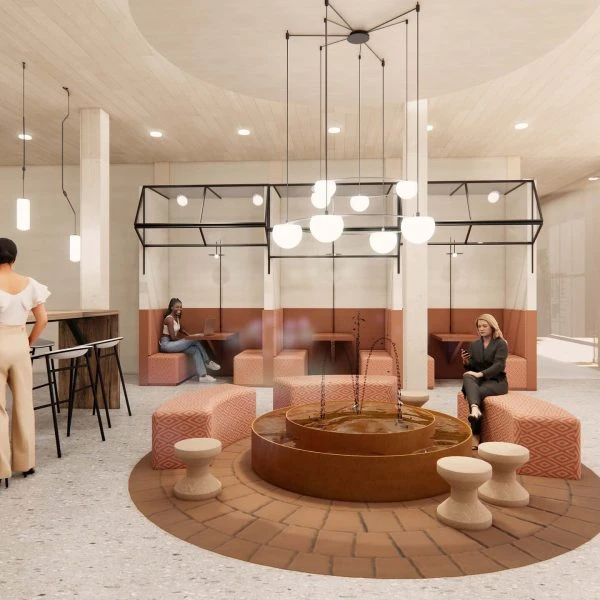
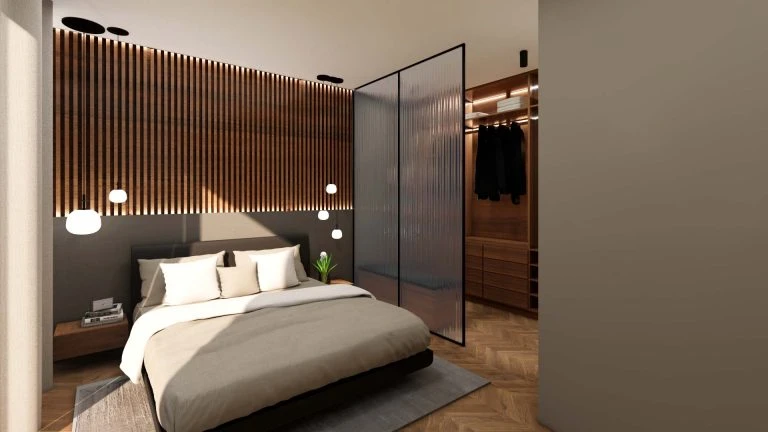
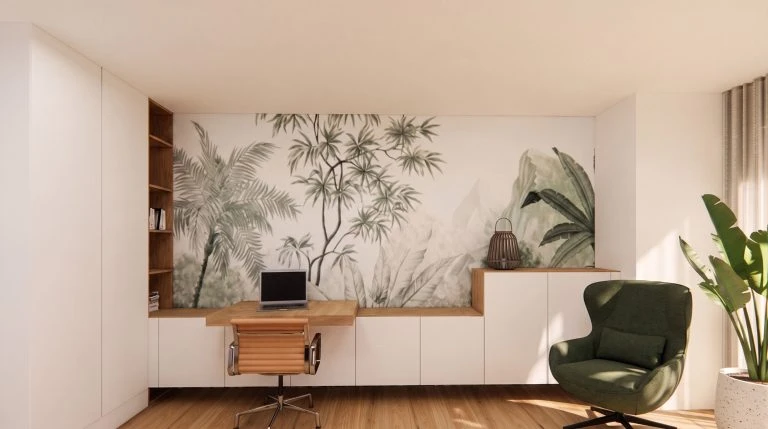
The Power of Colours: How to Design Your Room Around Your Needs With the Right Colour Choice
Colours have a great effect on our mood and well-being. Colour psychology deals with how different colours can influence emotions and behaviour. In this blog article you will find out which colours influence you positively and how you can use them in your everyday life to influence your mood.
The world of colour psychology
Colours have a profound effect on us and our mood. Colour psychology explores these connections and shows how we can increase our well-being with the right colour choice. We explain why colour choice is so important and which basic principles underlie colour psychology.
Why the right colour choice matters
Choosing the right colour can have a great influence on our mood and well-being. It is important to understand that each colour has its own meaning and can evoke different emotions. For example, red is often associated with passion and energy, while blue tends to be calming and relaxing. Using the wrong colour in a room or even in our clothing can make us feel uncomfortable or stressed. For this reason it is important to understand the basic principles of colour psychology and to choose colours according to our needs. Whether we are decorating our home or designing our workplace – the right colour choice can help to increase our productivity and create a pleasant environment. Studies have shown that certain colours can also have a positive influence on our well-being. If we use the potential of colours to feel happier and more productive, we can achieve a better quality of life.
What are the basic principles of colour psychology?
The basic principles of colour psychology are an important aspect when choosing colours for your home or workplace. There are three fundamental principles: hue, brightness and saturation. Each of these properties can have a different effect on us. For example, the colour yellow can be associated with light and energy, while green feels safe, calm, lively and inspiring. The brightness of a colour can also influence its effect – light colours can be refreshing and invigorating, while dark colours can have a more calming effect. The saturation of a colour can also have an influence – strong, saturated tones can be stimulating, while pastel tones are more calming. By understanding the basic principles of colour psychology, you can deliberately choose the right colours to orient the room to your needs. If, for example, you want to increase your productivity, you can deliberately use strong, saturated colours or patterns that have an activating effect on you. If, however, you want to relax after a long working day, soft and light tones will do your mood good.
Can you increase your productivity with the right colour choice?
Yes, that is possible. By choosing the right colours you can not only improve your mood and well-being, but also increase your productivity. The colour green, for example, stands for calm and balance and can thus reduce stress and promote concentration. Blue, on the other hand, has a calming effect and promotes creativity. Yellow and orange, by contrast, are stimulating and can lend energy. However, it is important to note that everyone reacts differently to colours and therefore has individual preferences. So it is worth trying out different colours and finding out which work best for you. When designing your workplace, you should make sure that the colour choice is not too overloaded and creates a pleasant atmosphere in which you can both relax and motivate yourself.
How you can easily enhance your home with colours
If you want to beautify your home with colours, you should first consider which mood you want to create in which room. Do you want to create a cosy atmosphere in the living room or rather a focused and productive mood in the study? The basic principles of colour psychology can help you make the right colour choice. Warm colours such as red, orange and yellow can create an activating atmosphere, while cool colours such as blue and green have a calming effect and can promote
concentration. Contrasting colours such as black-and-white combinations can also achieve an interesting effect. Studies have shown that the right colour choice can increase well-being and even boost productivity. However, the connections between colours and emotions are not universally valid, but can vary depending on culture and individual experience. So it is important to always consider personal preference and context when choosing colours. Anyone who designs their home or workplace with the right colours can not only improve their mood but also increase their general well-being. So use the power of colours to make your home a place where all your needs and personal preferences are taken into account.
The power of opposites and contrasting colours
Another exciting topic in colour psychology is the power of opposites and contrasting colours. This is about combining colours that lie opposite each other on the colour wheel, such as red and green or blue and orange. These combinations create a strong contrast and can have a particularly strong emotional effect. A red dress on a green background, for example, can be particularly striking. In interior architecture, too, the combination of contrasting colours can be used to highlight certain areas or make a room more dynamic. However, one should be careful here, as too many contrasts can quickly look restless or overloaded. As with all decisions regarding colour choice, the same applies here: it always depends on individual taste and the goal one wants to achieve.
Conclusion: Use the power of colours to boost your well-being
Colours have an incredible power to increase our well-being. Whether at home or at work, the right colour choice can help us feel better and be more productive. By understanding the basic principles of colour psychology, we can deliberately use certain colours to improve our mood and reduce negative emotions. Studies have shown that colours such as blue and green have a calming effect and can reduce stress, while red and yellow can convey energy and enthusiasm. Contrasting colours such as black and white can also have a strong effect and increase our attention. If you design your home or workplace with the right colours, you can transform your surroundings into an oasis of well-being. The power of colours is undeniable. So use it consciously to influence your life positively.
The Magic of Light: Designing the Room Optimally With Professional Lighting Design
With the right lighting design, rooms can be designed around people’s needs. Whether at work or at home – the right light creates a pleasant ambience and increases well-being or productivity. In this blog post you will find out how you can use the magic of light for yourself with professional lighting design.
The importance of light for cosiness in the room
Light plays a decisive role in the cosiness of a room. The right lighting can significantly influence the ambience and living comfort. Professional lighting design takes into account not only the functions of the room but also the needs of the occupants. An analysis of the room’s functions and needs is therefore the first step in lighting design. Next, suitable types of lighting and light sources must be selected to achieve the optimal effect. The placement of the light sources also plays an important role in creating the desired mood in every area of the room. Targeted lighting design can achieve various effects that improve the ambience and living comfort. Colour temperature can also be used as a design tool to create a particular ambience in the room. Aspects such as energy efficiency and sustainability should also be taken into account. In successful lighting design, the interplay of natural and artificial lighting also plays an important role. By skilfully combining both types of lighting, different moods can be created depending on the time of day or need. Overall, the importance of light for cosiness in the room should not be underestimated. With professional lighting design, a room can be optimally lit to create a pleasant atmosphere and increase living comfort.
Step 1: Analysis of the room’s functions and needs in the lighting design
Every room has its own lighting requirements: a study needs a different light intensity from a living room, while the bathroom requires a different colour temperature from the kitchen. Natural lighting conditions should also be taken into account: a south-facing room has completely different needs from one facing north. That is why it is important, before planning, to consider exactly what functions the room has and how it is used. What activities take place there? How much daylight comes in? Which colours dominate the room? Only when these questions have been answered can lighting be planned specifically to meet the needs of the room. Care should also be taken that the lighting is not only functional but also aesthetically pleasing. Well-thought-out lighting design can help people feel more comfortable in a room and concentrate better.
Step 2: Selection of suitable types of lighting and light sources
Having gained an overview of the room’s functions and needs in the first step, the next step is to select suitable types of lighting and light sources. Here you should pay attention not only to functionality but also to the design of the luminaires, as these can have a considerable influence on the ambience of the room. When choosing the types of lighting, make sure they correspond to the needs of the room. Colour temperature and light intensity should also be chosen carefully to create a pleasant atmosphere. In addition to choosing the right type of lighting, the selection of light sources also plays an important role. Here you can choose between different types of light bulbs or LED lamps. Aspects such as energy efficiency and sustainability should not be neglected.
The optimal lighting design for your home or office
Successful lighting design takes many different aspects into account to ensure that the needs of the room are optimally matched to its intended use. No matter whether it is in your own home or the office. If you need help designing the room optimally with light – or in other respects – get in touch with us for a free initial consultation. We are happy to advise you.
Step 3: Placement of the light sources for an optimal effect in every area of the room
The placement of the light sources is a decisive factor in achieving an optimal effect in the room. The needs and functions of the room should be taken into account. Uniform illumination of the room by ceiling lights is often not enough to
create a cosy atmosphere. Instead, it is advisable to combine different light sources and types of lighting and use them in a targeted way. For example, indirect lighting on the wall or ceiling can create pleasant background lighting,
while direct light from floor lamps or table lamps sets targeted accents. Placing light sources in shelves or behind furniture can also provide atmospheric lighting. With professional lighting design, every area of the room is optimally lit and thus contributes to a cosy atmosphere.
Effects of lighting design on the ambience, living comfort and moods
Professional lighting design can have a considerable influence on the ambience, living comfort and moods. The right placement of light sources can help a room feel larger or cosier. Indirect lighting can create a warm atmosphere and targeted spotlights can highlight certain areas of the room. By selecting the right types of lighting and light sources, different colour effects can also be achieved. Warm white light, for example, can create a relaxed atmosphere, while cool daylight tends to be invigorating. Another important factor in lighting design is colour temperature. This refers to the colour of the light, which is expressed in kelvin. A low kelvin value stands for warm light, while higher values mean cooler or even bluish light. Warm white light, for example, is well suited to living areas, while cooler light can be advantageous in studies or kitchens. In addition to the design effect of light, energy efficiency should also be taken into account in lighting design. Energy-saving LED light sources are a good choice here, as they are not only environmentally friendly but also last longer and can therefore save costs. The interplay of natural and artificial lighting should also be considered. Using daylight not only saves energy but can also contribute to a more pleasant atmosphere in the room.
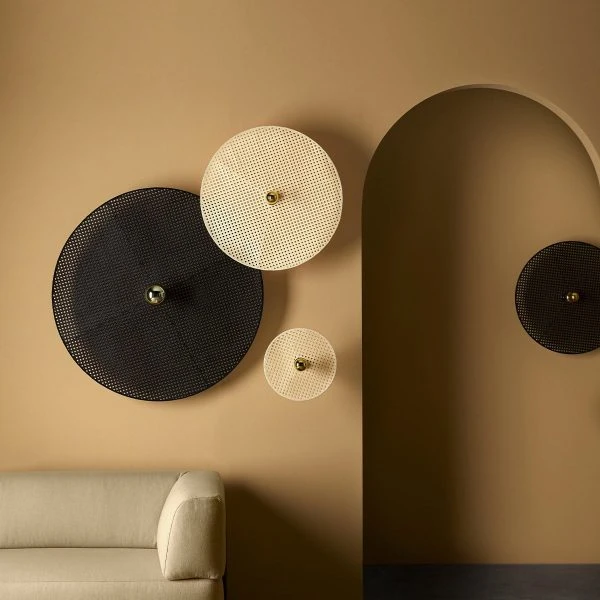
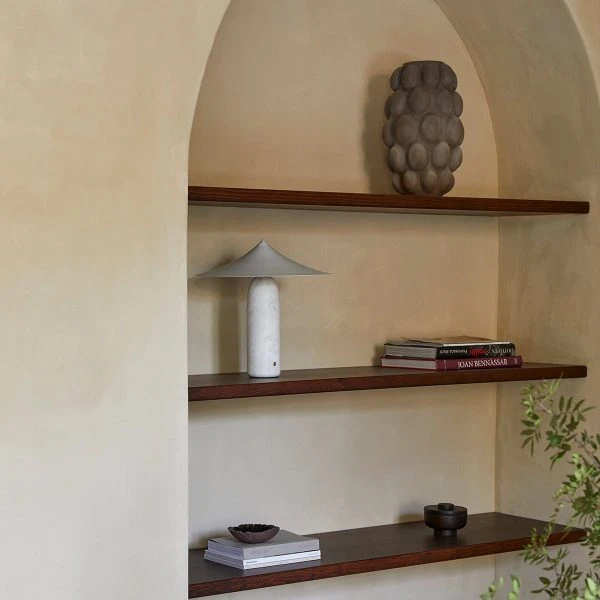
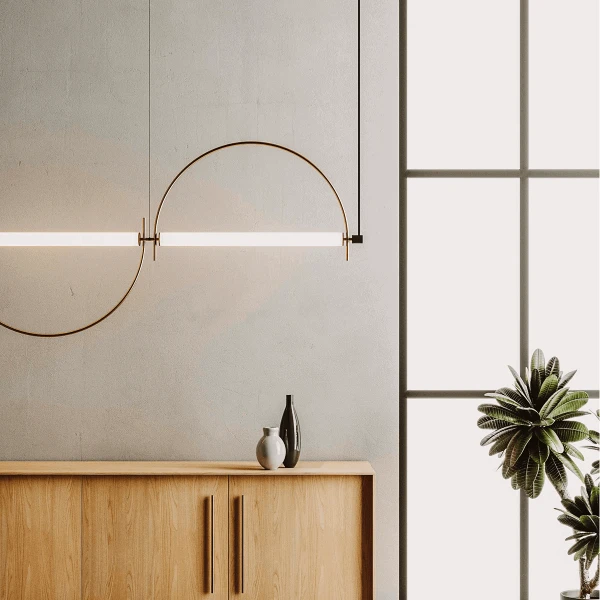
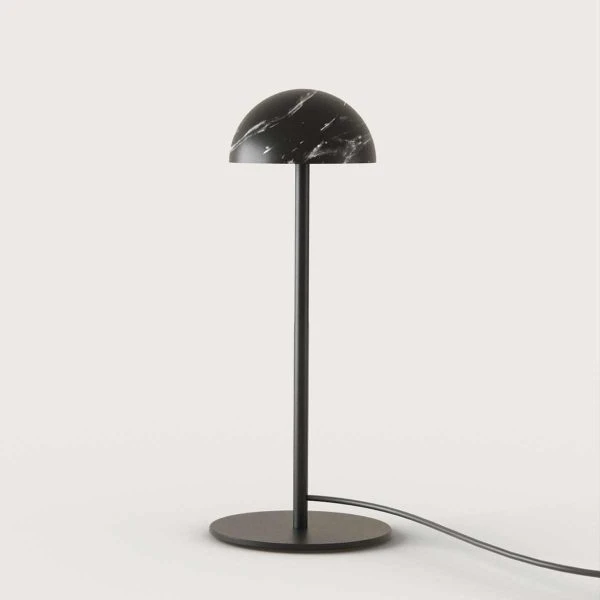
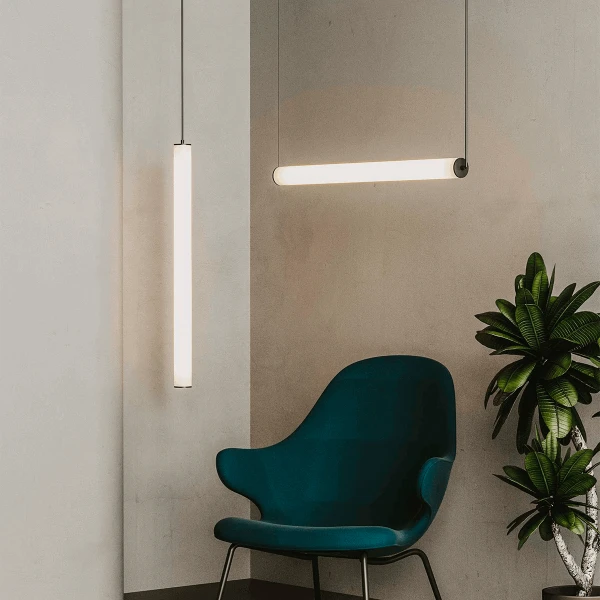
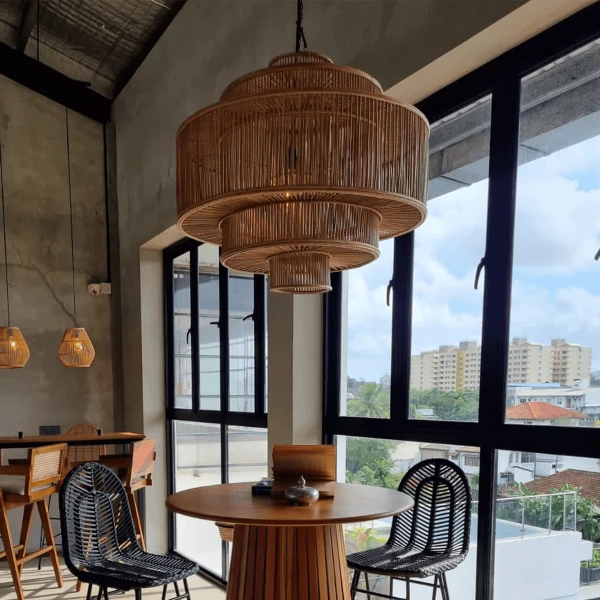
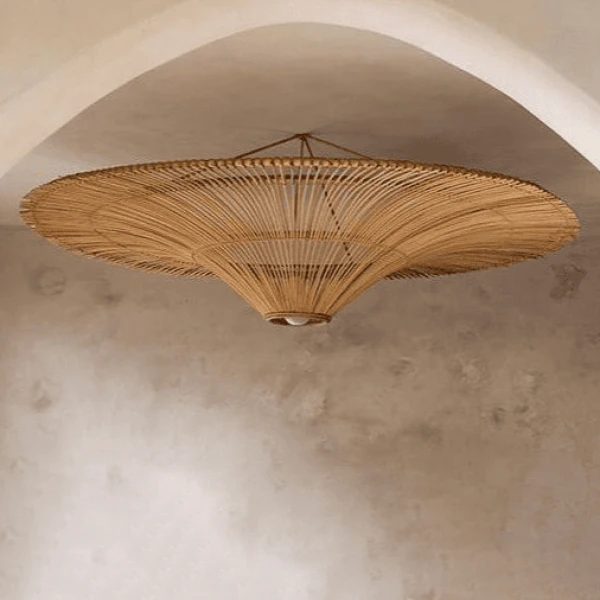
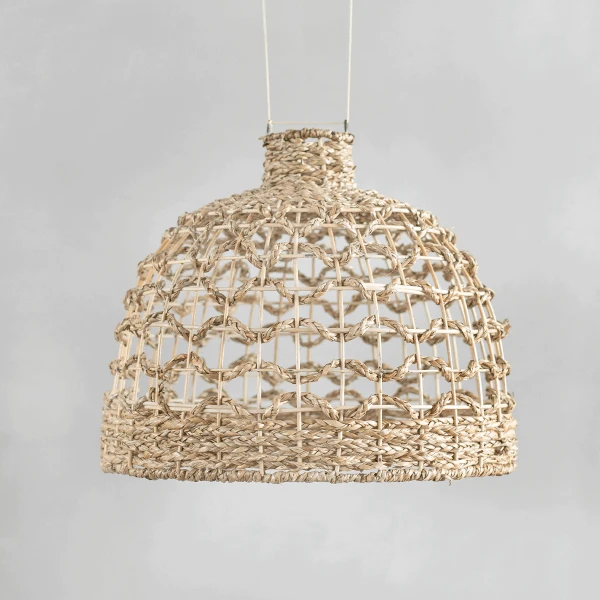
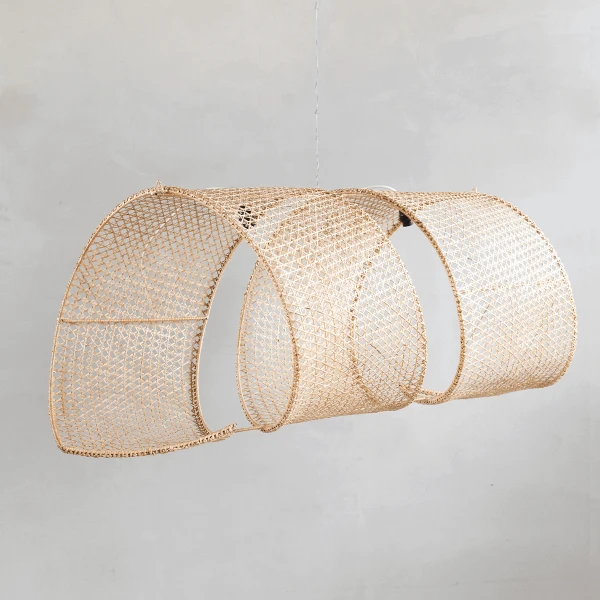
Here are some recommendations from sustainable lighting companies. You can find them in our online shop Natural SOUL Interior. We are happy to advise you and find the right solution in your style and budget!

What Awaits You in 2024! From Good Moods to Upcycling – the Must-Have Interior Trends for 2024!
Goodbye 2023 and hello 2024 – the year of the exciting interior revolution! As the current year draws to a close, we can hardly wait to see what the interior world has in store for us in 2024. New year, new resolutions and new furnishings. The coming year will be pretty exciting, and courage for extraordinary trends is called for. To bring new momentum into our homes, it is important to know the latest trends and get in the mood for the new year. With the following trends you are definitely well prepared.
Red: the trendsetter colour conquering the interior world!
In 2024 red definitely steals the show from all other colours and is therefore the trend colour for the coming year! The striking colour has already made its mark in the fashion world and is now making its way into the interior world. Whether you are bold and reach for a bright red or prefer to ease in slowly with a dark red – a flash of red is the must-have of the year! Open to something really unusual? Then immerse an entire room in red. That way you not only make a statement, but experience interior architecture in a completely different way. Combined with wood, you also create a cosy atmosphere. Is a completely red room too much for you, but you still want to follow the trend? Then you can also equip your four walls with a few accessories in the trend colour.
Dopamine decor: your recipe for a good mood
Not only red but also the exciting concept of dopamine decor will set the tone this year. The idea behind it? Lift your mood to the next level with bold colours and a pinch of humour. There are no limits to your creativity here, and those who are brave are rewarded – with a good mood. Finally you can combine all your favourite colours and decorate your walls with funny and inspiring quotes. The rule here: don’t be shy! That way the moment you enter your own four walls becomes a real rush of happiness. Ready for a hefty dose of good mood? Then get started and let your creativity run free!
Enjoy plants without a green thumb? Easy with cacti!
You don’t have a green thumb but would like plants in your home? Then this trend is just right for you! In 2024, cacti and succulents are in the spotlight of the plant world. They are not only easy to care for, but have also secured a firm place on the 2024 trend list. Plants not only provide better air, but also breathe life and energy into your interior. Whether you reach for large, room-filling cacti or many smaller ones, they have one thing in common: they bring a touch of holiday mood with them.
Pattern magic
Patterns could actually also be counted as part of dopamine decor, because they clearly put you in a good mood too. But colour doesn’t play the main role here – it’s about exciting motifs. Whether you opt for a minimalist interior and spice it up with a patterned rug, set accents with a wallpapered wall or boldly dive into a festival of patterns – the choice is entirely yours, and there are no limits. If you prefer to use it more subtly, patterned cushion covers are also a cool eye-catcher.
Your home, your style: upcycling and individuality are part of the 2024 interior trend
Reflecting your personality in your furnishings is the key to a cosy and unique home. Upcycling and old furniture not only lend a cool touch but are also sustainable. Why go to the shop when you can hunt for real treasures at the flea market or at your grandparents’? Your home deserves that certain something that makes it unique. So, off on the treasure hunt!
Now you are equipped for a stylish 2024 – let’s go. 3, 2, 1 – Happy New Year and have fun designing your trendy home!
Small Apartments – Big Ideas: Clever Tips for Interior Design
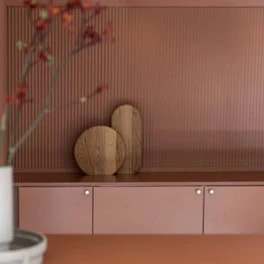
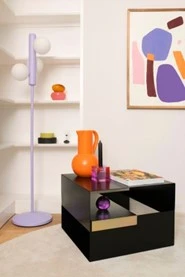
Rents keep rising, and living in large flats is becoming a luxury that many people cannot afford, especially in popular districts of big cities. The result? More and more people are moving into smaller apartments that often offer little space but still have to provide a home that is not only functional but also aesthetically pleasing. The question is often: how do I best furnish it? Without everything looking overcrowded and untidy. So today we share a few tips on how you can still make your small apartment beautiful.
- Flexible furniture for more free space
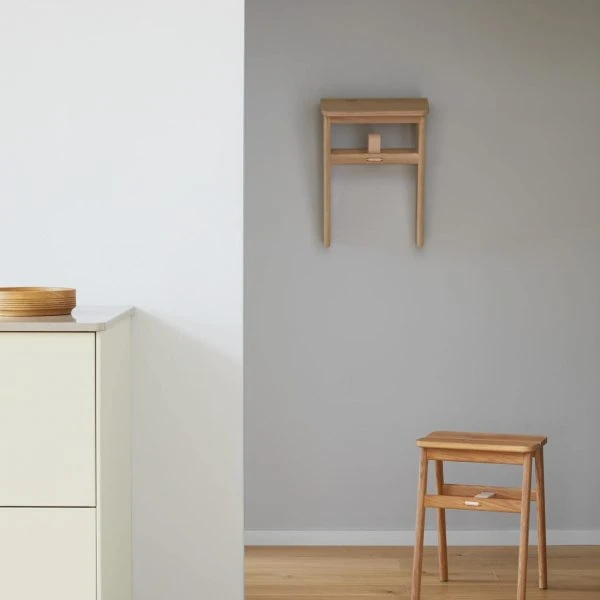
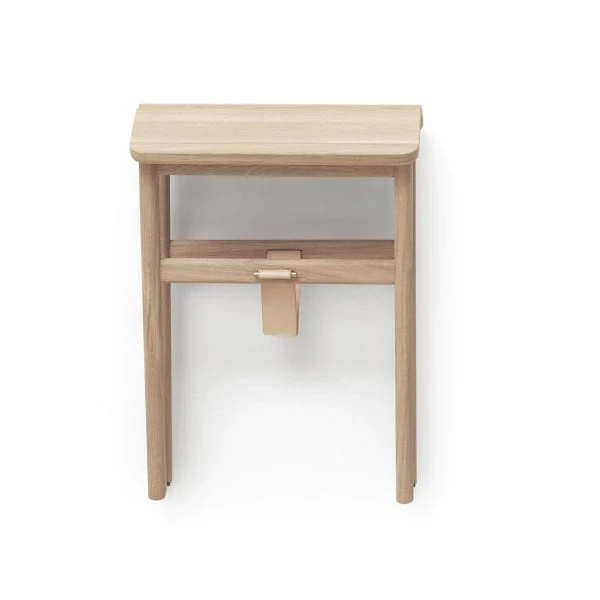
Furniture that can be moved or folded away is the perfect solution for small apartments. Fold-out tables offer extra space when you are expecting guests or need more work surface. In studio apartments, fold-down beds can be practical: folded up during the day, they make room for seating or other activities. Stools are ideal for stowing away under tables to save space when they are not needed as seating. You can find a selection of stools in our online shop Natural SOUL Interior.
- Optimal room planning
Custom-made furniture is a larger but sensible investment for small apartments, as it makes optimal use of the space and is tailored precisely to your needs. High ceilings? Use the full height and create additional storage. In attic flats, cupboards can be integrated into the sloping ceilings to make the best use of the space.
- Set priorities
Ask yourself what you really need in your flat. If you rarely work from home, you probably don’t need a large desk – a small dining table can serve as a home office when needed. Are you mostly home alone? Then a cosy small sofa is enough. Adapt the furnishings to your lifestyle and set clear priorities.